Constipation is one of the most common digestive complaints, affecting people of all age groups. Factors such as an unhealthy diet, low water intake, lack of physical activity, and poor lifestyle habits can make bowel movements difficult and uncomfortable. While many people consider constipation a temporary inconvenience, frequent or long-term constipation can lead to several health complications if left untreated.
Difficulty passing stool, hard stools, excessive straining, or the feeling of incomplete bowel emptying are common signs of constipation. If these symptoms persist for weeks or recur regularly, they may increase the risk of various digestive disorders beyond hemorrhoids.
Here are some of the health conditions that can develop due to chronic constipation and the warning signs that should not be ignored.
How Constipation Can Affect Your Health
1. Hemorrhoids (Piles)
One of the most common complications of chronic constipation is hemorrhoids, also known as piles.
Frequent straining during bowel movements increases pressure on the veins around the anus and lower rectum, causing them to swell.
Common symptoms include:
- Pain or discomfort during bowel movements.
- Itching around the anal area.
- Bleeding while passing stool.
- Swollen or tender veins near the anus.
Managing constipation early can help reduce the risk of developing hemorrhoids.
2. Anal Fissures
Passing hard stools can tear the delicate lining of the anal canal, resulting in an anal fissure.
Symptoms may include:
- Sharp pain during bowel movements.
- Bright red blood on the stool or toilet paper.
- Burning sensation after passing stool.
Although small fissures may heal with proper treatment, persistent symptoms should be evaluated by a healthcare professional.
3. Rectal Prolapse
In severe and long-standing cases of constipation, repeated straining can weaken the muscles supporting the rectum.
This may lead to rectal prolapse, a condition in which part of the rectum protrudes through the anus.
Symptoms may include:
- A visible tissue protruding from the anus.
- Difficulty controlling bowel movements.
- Discomfort or pain.
Rectal prolapse requires prompt medical evaluation and, in some cases, surgical treatment.
4. Digestive Problems
Constipation can also affect overall digestive health by slowing the movement of waste through the intestines.
People with chronic constipation may experience:
- Persistent bloating.
- Excessive gas.
- Abdominal pain or cramps.
- Indigestion.
- A constant feeling that the bowels have not emptied completely.
These symptoms can interfere with daily activities and reduce overall quality of life.
5. Fecal Impaction
If constipation remains untreated for a prolonged period, stool can become extremely hard and get stuck inside the large intestine or rectum.
This condition, known as fecal impaction, often requires medical treatment because the hardened stool may not pass naturally.
Symptoms may include:
- Severe constipation.
- Abdominal pain.
- Inability to pass stool.
- Leakage of liquid stool around the blockage.
- Nausea or vomiting.
Without timely treatment, fecal impaction can lead to additional complications.
Warning Signs That Require Medical Attention
While occasional constipation is common, certain symptoms should never be ignored.
Consult a healthcare professional if you experience:
- Constipation lasting several days or recurring frequently.
- Severe pain during bowel movements.
- Blood in the stool.
- Persistent abdominal pain or swelling.
- Inability to pass stool or gas.
- Repeated vomiting.
- Unexplained weight loss.
- Fever accompanied by constipation.
- Ongoing weakness or symptoms suggestive of anemia.
These symptoms could indicate an underlying digestive condition that requires proper diagnosis and treatment.
Tips to Prevent Constipation
Simple lifestyle changes can significantly improve bowel health and reduce the likelihood of constipation.
Stay Hydrated
Drink adequate water throughout the day to help soften stool and support regular bowel movements.
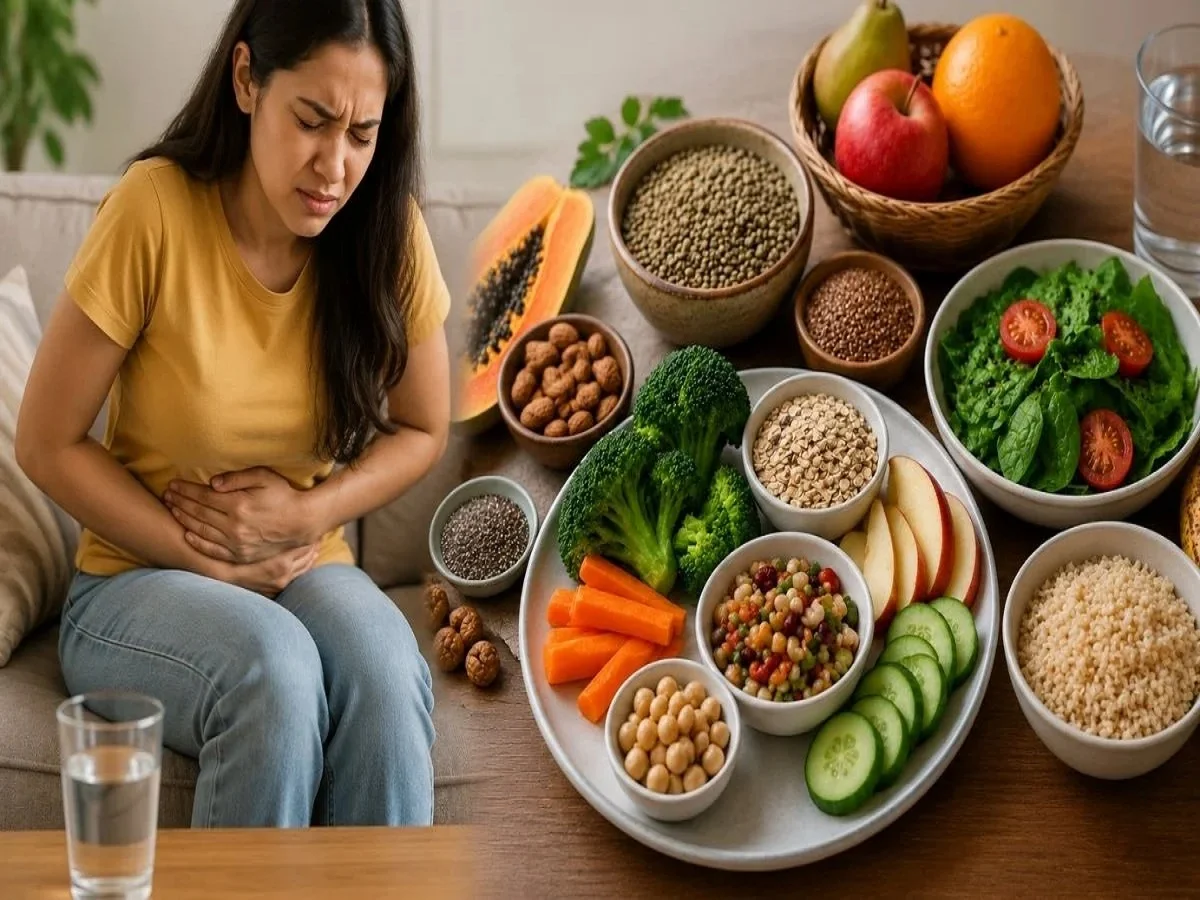
Eat a High-Fiber Diet
A fiber-rich diet helps improve digestion and promotes healthy bowel function.
Include foods such as:
- Fresh fruits.
- Leafy green vegetables.
- Whole grains.
- Lentils and legumes.
- Nuts and seeds.
Increasing fiber gradually while drinking enough fluids is generally recommended to avoid bloating.
Exercise Regularly
Physical activity helps stimulate intestinal movement and supports healthy digestion.
Activities such as:
- Walking.
- Yoga.
- Cycling.
- Light aerobic exercise.
can contribute to more regular bowel movements.
Develop Healthy Toilet Habits
Respond promptly to the urge to pass stool rather than delaying it. Maintaining a regular bathroom routine may also help improve bowel consistency over time.
Final Thoughts
Constipation is more than just an occasional digestive discomfort. If it becomes chronic, it may increase the risk of conditions such as hemorrhoids, anal fissures, rectal prolapse, digestive problems, and fecal impaction. Recognizing early symptoms and adopting healthy lifestyle habits can help prevent many of these complications.
If constipation persists despite dietary and lifestyle changes—or if it is accompanied by bleeding, severe pain, unexplained weight loss, fever, or other concerning symptoms—it is important to seek medical evaluation rather than relying solely on home remedies.