
LIFESTYLE
Cerebral Palsy in Children: Early Warning Signs, Causes, Types and Treatment Options Explained
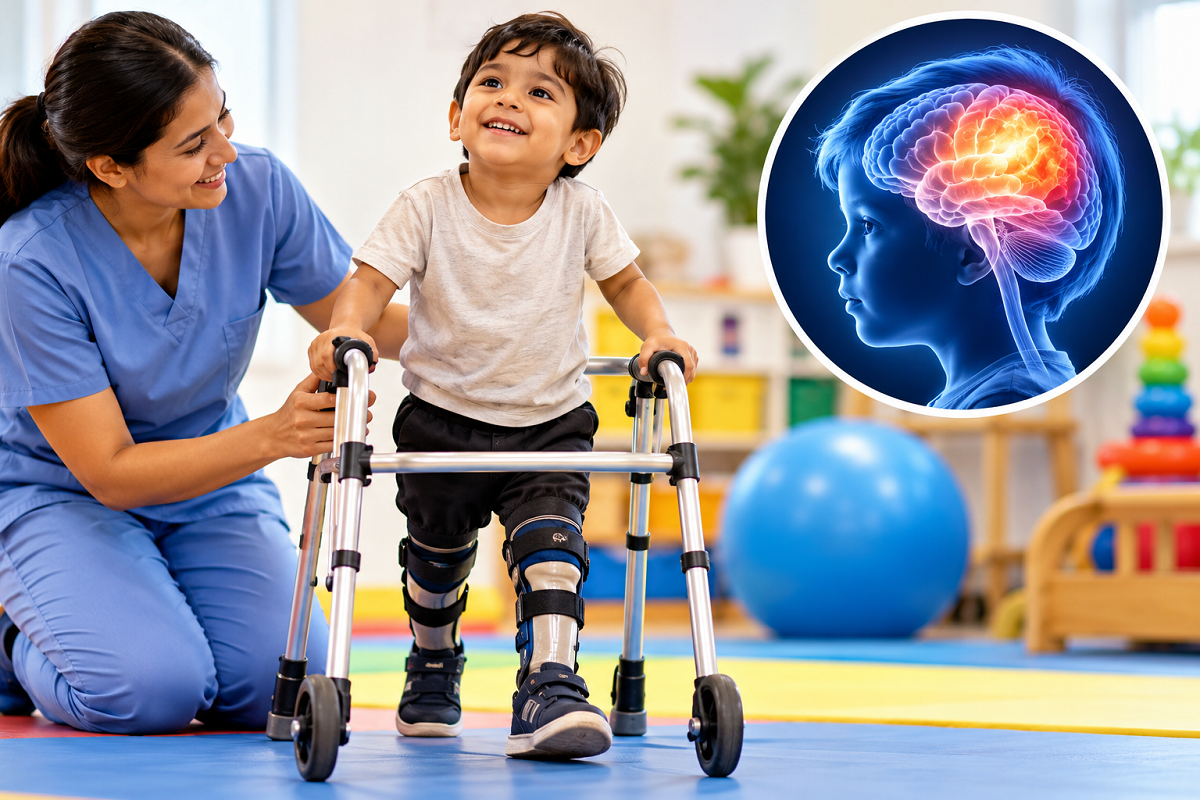
Cerebral Palsy Health Guide: Every parent looks forward to watching their child achieve important milestones, such as sitting independently, crawling, taking their first steps and learning to speak. However, some children experience difficulties with movement, muscle control or physical development because of a neurological condition known as cerebral palsy (CP).
Cerebral palsy affects how the brain controls muscles, movement, balance and posture. Although it usually becomes noticeable during infancy or early childhood, its effects can continue throughout a person's life. Some children experience relatively mild movement difficulties, while others require ongoing assistance with everyday activities.
Understanding the early symptoms, possible causes and available treatment options can help families seek medical guidance at the right time. While cerebral palsy has no cure, early intervention and appropriate rehabilitation can significantly improve a child's functional abilities, independence and overall quality of life.
What Is Cerebral Palsy and How Does It Affect the Body?
Cerebral palsy refers to a group of permanent disorders that affect movement and posture. It develops when the growing brain experiences damage or does not develop normally, usually before birth, during childbirth or in early infancy.
The condition primarily interferes with the brain's ability to coordinate muscle activity. Consequently, affected children may experience unusual muscle stiffness, weakness, involuntary movements or difficulty maintaining balance.
An important characteristic of cerebral palsy is that the underlying brain injury is non-progressive. This means the original damage does not continue to worsen over time. However, the physical challenges associated with the condition may change as a child grows.
For example, a young child may initially struggle with sitting or crawling, while an older child may experience difficulties with walking, maintaining posture or performing activities that require precise hand movements.
Cerebral palsy affects individuals differently, and not every child develops the same symptoms or requires the same level of support.
What Are the Main Types of Cerebral Palsy?
Medical professionals classify cerebral palsy according to the movement difficulties a person experiences. The major categories include:
1. Spastic Cerebral Palsy
Spastic cerebral palsy is the most common form of the condition. It causes increased muscle tone, making muscles unusually tight or stiff.
Children with this type may find it difficult to move their arms or legs smoothly. Their movements may appear rigid, and walking can become challenging.
Depending on the affected muscles, spastic cerebral palsy may involve one side of the body, mainly the legs, or all four limbs.
2. Dyskinetic Cerebral Palsy
This form involves difficulty controlling voluntary movements. Children may experience twisting, repetitive or unpredictable movements affecting their hands, feet, arms or other body parts.
In some cases, the muscles of the face and tongue are also affected, making speaking, chewing or swallowing more difficult.
3. Ataxic Cerebral Palsy
Ataxic cerebral palsy primarily affects balance and coordination.
Children with this condition may have an unsteady walking pattern, struggle to maintain their balance or find it difficult to perform activities requiring accurate movements.
Tasks such as writing, picking up small objects or reaching for something may require additional effort.
4. Mixed Cerebral Palsy
Some children experience symptoms associated with more than one type of cerebral palsy.
For example, a child may have muscle stiffness alongside involuntary movements or coordination problems.
The combination and severity of symptoms depend on the areas of the brain involved.
Early Symptoms of Cerebral Palsy Parents Should Recognize
Signs of cerebral palsy may become noticeable as a baby grows and begins developing movement skills.
Although symptoms vary, several developmental and physical changes may indicate the need for medical evaluation.
Common warning signs include:
- Delayed achievement of developmental milestones, including sitting, crawling and walking.
- Unusually stiff or floppy muscles.
- Difficulty maintaining balance while sitting, standing or walking.
- Limited coordination between the hands and legs.
- Unusual body posture or repetitive movements.
- Difficulty holding toys or performing small hand movements.
- Using one side of the body significantly more than the other at an unusually early age.
- Delayed speech development or difficulty communicating.
- Problems with chewing, feeding or swallowing.
- Frequent stumbling or difficulty controlling movements.
These symptoms do not automatically mean a child has cerebral palsy. Other developmental or neurological conditions can cause similar difficulties. A qualified healthcare professional must assess the child to determine the underlying cause.
What Causes Cerebral Palsy in Children?
Cerebral palsy develops because of abnormal brain development or damage to the developing brain.
Several factors may increase the likelihood of this condition, including premature birth, very low birth weight, certain infections during pregnancy, some genetic or developmental abnormalities, and complications that interfere with oxygen delivery to the brain.
Serious infections, strokes or head injuries during early infancy can also sometimes cause cerebral palsy.
However, in many cases, doctors cannot identify one specific cause.
It is also important to understand that cerebral palsy is not contagious and cannot spread from one person to another.
How Is Cerebral Palsy Diagnosed?
Doctors generally begin by examining a child's developmental history, muscle tone, reflexes, posture and movement patterns.
A pediatrician may recommend further assessment by a pediatric neurologist or developmental specialist if cerebral palsy is suspected.
Depending on the child's symptoms, medical evaluation may include neurological examinations, developmental assessments and brain imaging such as an MRI scan.
Doctors may also recommend hearing, vision or other tests to identify additional difficulties.
Diagnosis can sometimes take time, particularly when symptoms are mild. However, children showing developmental delays can often begin appropriate early intervention services even before a definitive diagnosis is established.
Is Cerebral Palsy Curable? Understanding Available Treatments
Currently, there is no treatment that can completely reverse the underlying brain injury responsible for cerebral palsy.
Nevertheless, several therapies and medical interventions can help children develop skills, manage symptoms and participate more comfortably in everyday activities.
Physiotherapy: Regular physical therapy can improve flexibility, strength, posture, balance and mobility. Therapists may recommend exercises and supportive equipment according to the child's needs.
Occupational therapy: This approach helps children develop practical abilities needed for daily activities, including dressing, eating, holding objects and writing.
Speech and language therapy: Children experiencing speech, communication or swallowing difficulties may benefit from specialized therapy. Some may also use communication devices or other assistive technologies.
Medications: Doctors may prescribe medicines to manage muscle stiffness, painful spasms or other associated medical conditions. Treatment decisions depend on the child's specific symptoms.
Assistive devices and surgery: Certain children may benefit from braces, walkers, wheelchairs or other mobility aids. In selected cases, surgical procedures may be considered to address significant muscle tightness or orthopedic complications.
Treatment plans are usually developed by a multidisciplinary healthcare team and adjusted as the child's needs change.
Why Early Intervention Matters for Children With Cerebral Palsy
Early childhood is an important period for developing movement, communication and learning abilities.
When developmental concerns are identified promptly, healthcare professionals can recommend therapies that support a child's existing abilities and encourage the development of new skills.
Early intervention may also help prevent or reduce some secondary complications, such as muscle contractures and joint problems.
Families play an essential role in this process. Following professional guidance, encouraging appropriate physical activity and creating an accessible home environment can support a child's progress.
Children with cerebral palsy may also benefit from individualized educational support and opportunities to participate in social and recreational activities.
When Should Parents Consult a Doctor?
Parents should seek medical advice if their child consistently misses expected developmental milestones, shows unusual muscle stiffness or weakness, has persistent movement difficulties or demonstrates concerning changes in posture and coordination.
Feeding difficulties, repeated choking or problems swallowing also require prompt medical assessment.
A child who loses previously acquired abilities should be evaluated without delay, as this is not typical of cerebral palsy's non-progressive underlying brain injury.
Final Thoughts
Cerebral palsy is a lifelong neurological condition, but its impact differs considerably from person to person. Many individuals with cerebral palsy attend school, work, build relationships and lead active, fulfilling lives with appropriate support.
Recognizing developmental warning signs, obtaining a professional diagnosis and starting individualized therapy can make a meaningful difference.
For parents, the most important step is to avoid ignoring persistent developmental concerns and consult a pediatric healthcare professional whenever something appears unusual.
Medical disclaimer: This article provides general health information for educational purposes and should not replace professional medical advice, diagnosis or treatment.