
LIFESTYLE
Cancer Physiotherapy: How does physiotherapy provide relief to cancer patients? Learn here.

Cancer Rehabilitation: Cancer treatment causes many changes in the body. Muscle strength can decrease due to prolonged rest, surgery, medications, or other treatments.
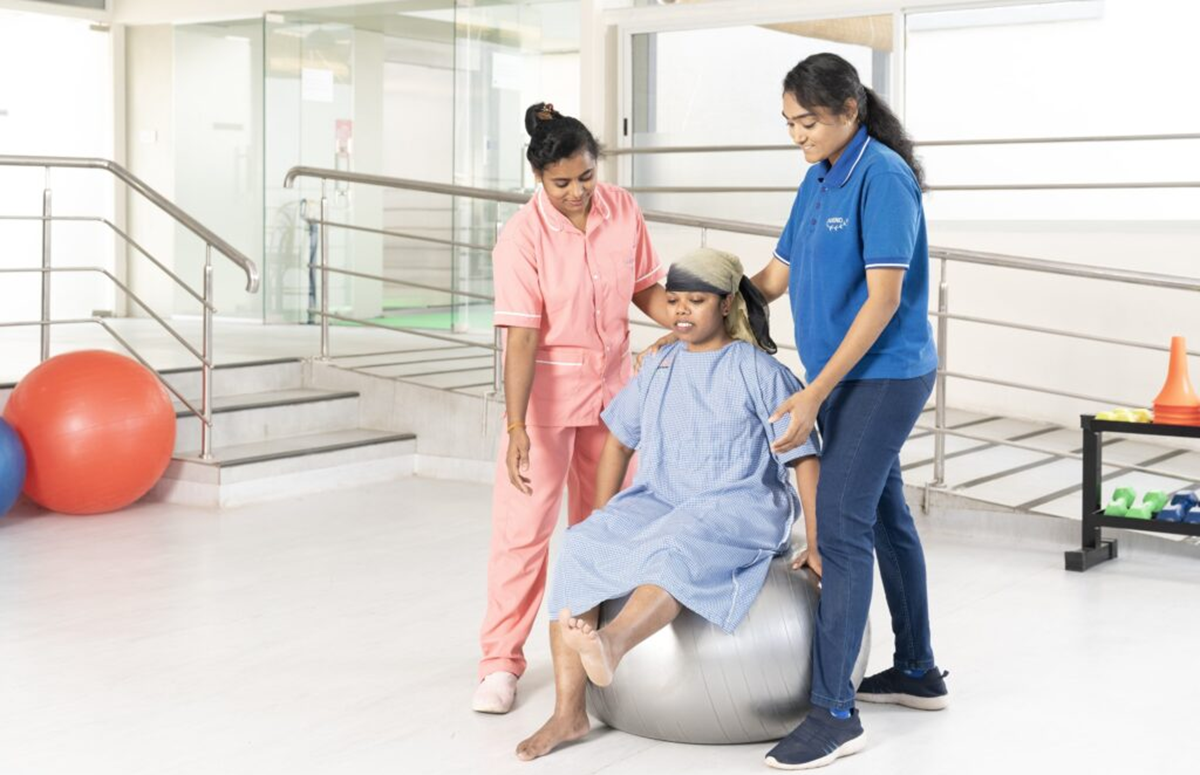
Benefits of physiotherapy for cancer patients
Cancer Rehabilitation Exercises and Benefits: The word cancer usually brings to mind medications, tests, and treatment. However, for a cancer patient, the challenges aren't limited to the disease itself. During and after treatment, many problems can arise, including fatigue, body aches, stiffness, weakness, and difficulty walking. In such situations, physiotherapy can be helpful in preparing the body for normal activity again.
Cancer treatment causes many changes in the body. Prolonged rest, surgery, medications, or other treatments can lead to loss of muscle strength and limited movement. Physiotherapy in cancer rehabilitation aims to help reduce these problems, improve mobility, and facilitate daily activities.
What is physiotherapy?
According to a report by health information company Everhope, physiotherapy for cancer patients is not like regular exercise. It is tailored to the patient's condition, treatment, and physical abilities. It focuses on improving strength, balance, and mobility through gentle, controlled movements. Each patient's needs vary. Some may have difficulty walking, others may experience stiffness or weakness in their arms and legs, while others may experience persistent fatigue. Physiotherapists recommend exercises and other techniques based on these conditions.
Helps in increasing body strength after treatment
Cancer treatment can weaken the body. Prolonged periods of inactivity can affect muscle strength and mobility. Physiotherapy involves gradually restoring strength through gentle, guided activities. The goal is to keep the body moving within its limits, not overexerting it.
Relief can be found in pain and stiffness
Pain, stiffness, swelling, and nerve-related problems may occur during or after treatment. Some patients also experience stiffness due to prolonged periods of being in the same position. In such cases, physical therapy, including gentle activity, stretching, and breathing exercises, can help. However, the specialist will determine which exercises to perform and how much to perform based on the patient's condition.
Help manage fatigue
Feeling constantly tired after cancer treatment can be a common problem. Instead of strenuous exercise, it's recommended to incorporate gentle activities within your body's capacity. Regular and well-designed activities can help keep you active and manage everyday tasks.
Help make everyday tasks easier
After treatment, many patients may find it difficult to walk, climb stairs, dress, or even stand for long periods of time. A key goal of physiotherapy is to help patients regain these daily activities. Gradually, as strength and balance improve, patients can feel more comfortable doing things on their own.
Helps improve balance and confidence
Weakness or prolonged lack of activity can affect balance and increase the risk of falls. Physiotherapy can include exercises to improve balance and coordination. This can help patients regain confidence in walking.
Different role in each stage of cancer treatment
Physiotherapy isn't just needed after treatment ends. Even before treatment begins, specialists can provide advice to maintain a patient's physical condition. During treatment, the goal may be to keep the body active and help manage any physical discomfort that may arise. After treatment, the focus is on regaining strength, mobility, and freedom in daily activities.
What happens in a physiotherapy session
The session usually begins with an assessment of the patient's condition. Physiotherapists try to determine the patient's current discomfort, the effects of the treatment on the body, and which activities are difficult. After this, light activities or exercises can be performed based on the patient's ability. The body's condition is not the same every day. One day, the patient may feel more active, while another day, they may feel more tired. Therefore, the pace and amount of exercise are adjusted accordingly. In some cases, light yoga or breathing exercises may also be included, based on expert advice.
What are the benefits of physiotherapy?
The goal of physiotherapy is to help improve a patient's physical ability and quality of life. It can help improve muscle strength and movement, manage pain and stiffness, manage fatigue, improve balance, and make everyday tasks easier. However, physiotherapy is not intended to prevent or cure cancer. Its primary purpose is to help improve a patient's physical ability, activities, and quality of life after a cancer diagnosis and treatment.
When to start physiotherapy?
The timing and method of physiotherapy may vary for each patient. Many factors need to be considered, such as the type of cancer, the treatment method, whether or not surgery has been performed, current symptoms, and the patient's physical condition. Therefore, it's best to consult your doctor before starting physiotherapy. The recovery process from cancer is different for each individual. It's not necessary that the body feels back to normal immediately after treatment. In such a situation, physiotherapy, performed with proper guidance, can help the body gradually regain its activity and return to everyday life.