
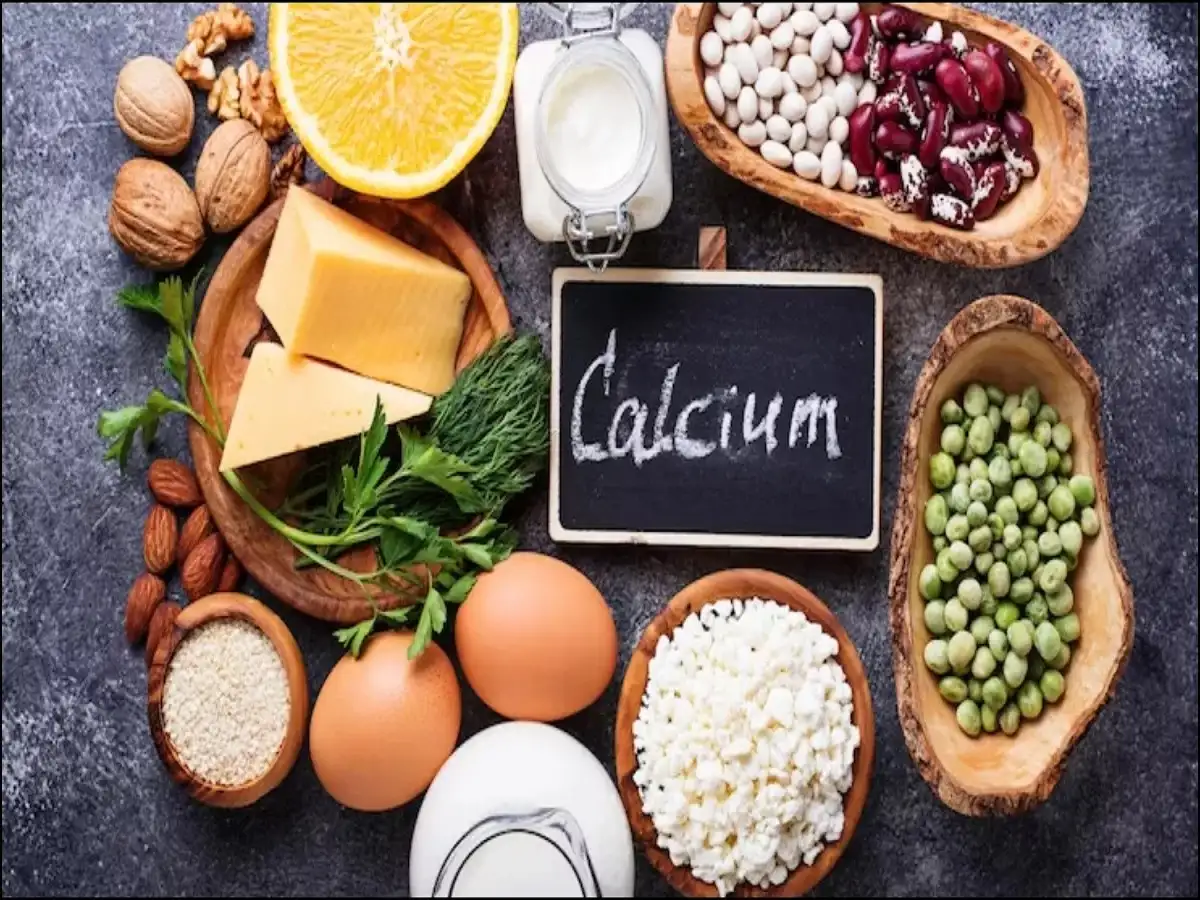
Calcium is one of the most important minerals required by the human body. While it is widely associated with strong bones and teeth, calcium also supports normal muscle function, nerve signalling and several other essential processes.
Milk and dairy products are among the best-known sources of calcium, but they are not the only options. People who do not enjoy drinking milk, follow a plant-focused diet or have difficulty digesting lactose can obtain calcium from several traditional Indian foods.
From sesame seeds and ragi to moringa leaves and rajma, everyday ingredients can help increase calcium intake when included as part of a balanced diet.
Here are six calcium-rich foods worth considering.
1. Sesame Seeds: Small Seeds With Plenty of Calcium
Sesame seeds, commonly known as til, are a useful plant-based source of calcium and can easily be added to Indian meals.
Calcium content can vary according to whether the seeds are hulled or unhulled and how they are processed. Some commonly cited nutrition databases show very high calcium levels in certain varieties of whole sesame seeds.
Sesame also provides magnesium, healthy fats and other minerals that contribute to a nutritious diet.
Easy Ways to Eat Sesame Seeds
Roasted sesame seeds can be sprinkled over salads, vegetables or breakfast dishes. They can also be used to prepare til chutney, homemade laddus or added to rotis and other recipes.
Because sesame is calorie-dense, portion size should also be considered.
2. Ragi: A Traditional Millet Rich in Calcium
Ragi, or finger millet, is widely consumed in different parts of India and is particularly valued for its calcium content.
Around 100 grams of ragi is often reported to provide approximately 340 mg of calcium, although exact values can vary according to the variety and method of processing.
Its versatility makes ragi relatively easy to incorporate into meals.
How to Add Ragi to Your Diet
Ragi can be used to prepare porridge, dosa, roti, idli and several other dishes. Ragi flour can also be combined with other flours to make everyday meals more varied.
However, no single food should be relied upon to meet all nutritional requirements.
3. Rajgira: More Than Just a Fasting Food
Rajgira, also known as amaranth, is commonly associated with fasting recipes in India, but it can be eaten as part of the regular diet as well.
Amaranth provides calcium along with protein, phosphorus, magnesium and other nutrients.
Depending on whether the nutritional value refers to raw grain, cooked grain or another preparation, the amount of calcium can differ considerably.
How Can You Eat Rajgira?
Rajgira flour can be used for rotis and parathas, while the grain can be cooked into porridge or incorporated into other dishes.
Puffed rajgira is another popular option, though preparations containing large quantities of added sugar should be consumed in moderation.
4. Moringa Leaves Can Add Calcium to Everyday Meals
The leaves of the drumstick tree, commonly called moringa, are nutrient-dense and can be another useful addition to a calcium-conscious diet.
Fresh moringa leaves can provide calcium as well as vitamin C, iron and several plant compounds.
Nutrient concentrations differ between fresh leaves, dried leaves and moringa powder, so figures should not be treated as interchangeable.
Ways to Use Moringa Leaves
Fresh leaves can be cooked with dal, incorporated into vegetables or added to soups.
They may also be used in parathas and other traditional preparations. Cooking methods can influence nutrient availability, so eating a varied diet remains important.
5. Dried Figs: A Naturally Sweet Calcium Source
Dried figs, or anjeer, are another food that provides some calcium.
Approximately 100 grams of dried figs may contain around 160 mg of calcium, depending on the product and nutritional database used.
They also provide dietary fibre and potassium.
How to Include Anjeer in Your Diet
Dried figs can be eaten directly in small portions or chopped and added to porridge, yogurt or other breakfast dishes.
Because drying removes much of the fruit's water, dried fruits contain more concentrated natural sugars and calories than fresh fruit. Portion control is therefore important, especially for people who need to monitor their blood sugar or calorie intake.
6. Rajma Provides Calcium Along With Protein
Rajma, or kidney beans, is better known for its protein and fibre content, but it also supplies several important minerals.
Calcium levels vary substantially between raw, soaked and cooked beans, so values quoted for uncooked rajma should not be directly applied to the amount people actually eat after cooking.
Kidney beans also provide plant protein, fibre, iron, magnesium and other nutrients.
Never Eat Raw or Undercooked Kidney Beans
Rajma must be properly soaked and thoroughly cooked before eating.
Raw or inadequately cooked kidney beans contain naturally occurring lectins that can cause gastrointestinal illness. Proper preparation is therefore essential.
Why Calcium Matters for the Body
Most of the body's calcium is stored in bones and teeth. However, calcium is also involved in normal muscle contraction, nerve communication and blood clotting.
If dietary calcium remains inadequate for an extended period, the body can draw calcium from its stores in the bones to maintain other essential functions.
This is why adequate calcium intake is particularly important during childhood and adolescence, while bone mass is developing, and later in life when maintaining bone strength becomes increasingly important.
Vitamin D Is Important Too
Eating calcium-rich foods is only part of maintaining healthy bones.
Vitamin D helps the body absorb calcium, meaning poor vitamin D status can affect calcium utilisation even when the diet contains calcium-rich foods.
Protein, regular physical activity and other nutrients also contribute to maintaining healthy bones.
How Much Calcium Do You Need?
Calcium requirements are not identical for everyone. They vary according to factors such as age, sex, pregnancy and life stage.
Instead of trying to obtain all of your calcium from one food, a more practical approach is to include several calcium-containing foods throughout the day.
Dairy products can contribute significantly for people who consume them. Those avoiding dairy can consider foods such as ragi, sesame, beans, leafy vegetables and calcium-fortified products.
Should You Take Calcium Supplements?
Calcium supplements are not automatically necessary simply because someone does not drink milk.
Whenever possible, nutritional requirements should be met through a balanced diet. Supplements may be recommended in certain circumstances, but excessive calcium supplementation can also cause problems and may interact with some medicines.
Anyone considering high-dose calcium supplements—particularly people with kidney problems, a history of kidney stones or those taking regular medication—should discuss them with a healthcare professional.
The Bottom Line
Milk is a convenient calcium source, but it is far from the only way to include this important mineral in your diet.
Traditional foods such as sesame seeds, ragi, rajgira, moringa leaves, dried figs and rajma can all contribute to daily calcium intake while providing other valuable nutrients.
The key is dietary variety. Rather than depending heavily on a single "calcium-rich" ingredient, combine different nutrient-dense foods with adequate vitamin D, protein and regular physical activity to support long-term bone health.
Disclaimer: This article is intended for general informational purposes and should not be considered medical or nutritional advice. Individual calcium requirements can vary. Consult a qualified healthcare professional or dietitian if you have a medical condition, suspected deficiency or specific dietary requirements.