NEWS
Buying your favorite car is now even more difficult! The Hormuz crisis has made everything from steel to tires more expensive.
The Indian automobile sector is facing increasing pressure due to rising crude oil prices and supply chain disruptions caused by the Iran-Israel tensions. Raw materials like steel and aluminium are becoming more expensive. Read this report.

The Hormuz crisis has made everything from steel to tyres more expensive.
The escalating tensions between Iran, Israel, and the United States are now directly impacting India's automobile sector. Soaring crude oil prices, increased shipping costs, and pressure on the supply chain have increased costs for companies. The primary and most significant impact of the war has been on the raw materials used in vehicle manufacturing. The prices of every component of a vehicle, including steel, aluminum, rubber, plastic, paint, and chemicals, are rising.
Barents crude, the world's oil benchmark, has reached close to $110 to $120 per barrel. The prices of paints and chemicals made from petrochemicals are the first and fastest to rise, as they are directly linked to crude. Think of it this way: every part of a vehicle is becoming more expensive, and this inflation is reaching companies.
Pressure on companies to raise prices or reduce margins?
Brokerage firm Elara Securities reported that the Indian auto sector is under pressure from two sides: the direct impact of the halt in exports to the Middle East, and the pressure of expensive raw materials, increased freight rates, and a broken supply chain. Even companies with limited direct business with the Middle East are being affected.
- Tata Motors has increased the prices of petrol-diesel-CNG vehicles by an average of 0.5% and up to 1.5% on commercial vehicles from April 1, 2026.
- JSW MG Motor has increased prices by 2% across the entire range.
- BMW and Mercedes-Benz also increased by 2%.
- Kia India has also indicated an increase in costs.
Maruti Suzuki and Mahindra & Mahindra are not increasing prices at the moment, but both the companies have clearly said that if the situation continues for a long time, then increasing the prices will become a compulsion.
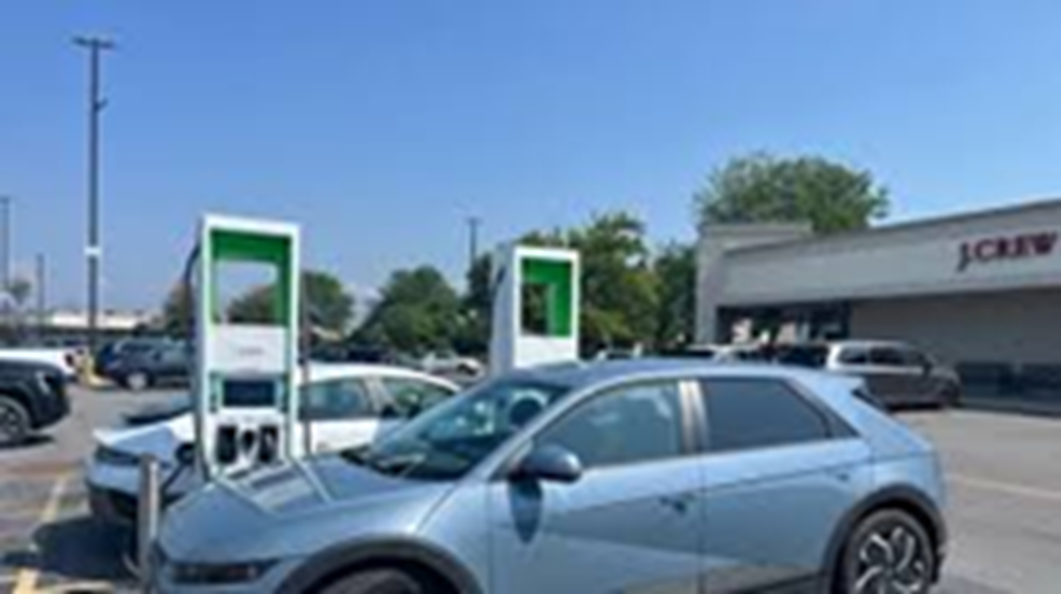
Fuel prices rise, so does the demand for EVs.
The fear and uncertainty surrounding petrol and diesel prices due to the war has sparked a new trend in the market. People are purchasing EVs, considering them a safe option, as they offer low running costs, no fuel price risk, and government support. In February 2026, EV sales across the country increased by more than 25%. Mahindra's EV sales nearly doubled.
Overall EV retail sales increased by 44%, marking India's highest monthly EV retail sales record ever. Tata Motors and Mahindra are benefiting the most from this transformation.
Shipping and supply chain is a big hidden danger!
The near-blockade of the Strait of Hormuz has led the world's largest shipping companies to abandon the route, raising freight rates, delaying deliveries, and increasing the cost of importing parts.
According to Elara Securities, freight costs for most Indian auto companies account for 1% to 3% of total revenue. This figure may seem small, but in a sector like auto, where margins are already razor-thin, it directly impacts profits. This is impacting not just major auto companies but the entire auto component sector.
The tyre and chemical sectors are the worst hit.
Among tire companies, the auto ancillary sector is under the most pressure. Raw materials like rubber and crude are rapidly becoming more expensive, but tire companies cannot immediately raise their prices because their major customers are the OEMs themselves.
The result is that margins are being squeezed the most here. Nifty Auto fell 2.6% as news of natural gas shortages emerged in March 2026. Shares of Bharat Forge, TVS Motor, and Tata Motors fell more than 3%.
What next? Now the whole game will depend on the war.
Disruptions in oil and gas supplies and rising interest rates could impact the auto sector's earnings. Experts say that if the war continues for another three to six months, the situation will become even more difficult. Vehicle prices will rise further, corporate profits will decline, and the shift to electric vehicles will accelerate.
The auto sector is currently under pressure. Costs are rising, and demand is uncertain. Companies are avoiding price increases as much as possible, but the market is slowly shifting from petrol and diesel vehicles to EVs. This shift will accelerate the longer the war continues.