LIFESTYLE
Burnt Body Postmortem: How is a postmortem performed on a burnt body? Learn what and how doctors can see in a disfigured body.
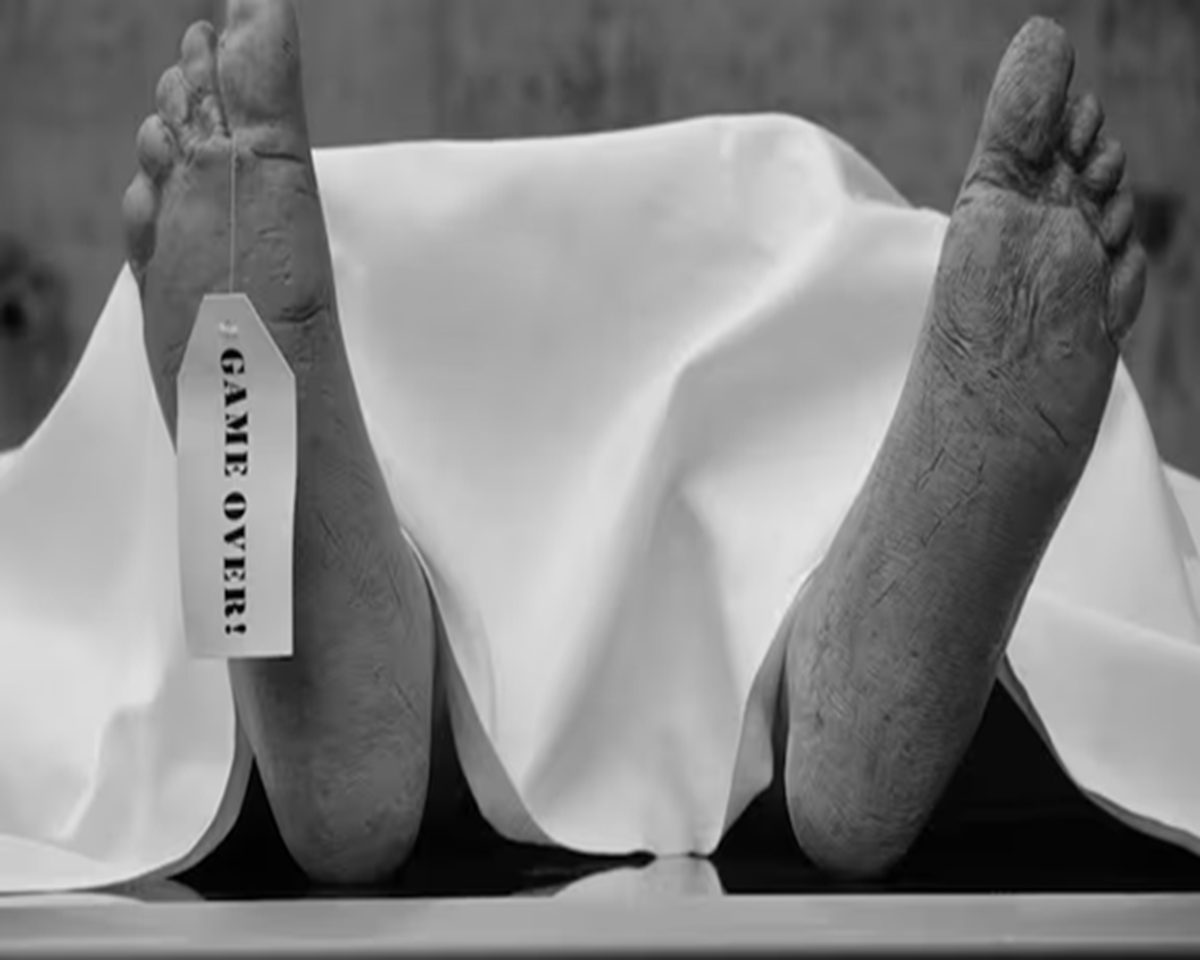
Burnt Body Postmortem: How is a postmortem performed on bodies burned in a fire? Forensic examination determines the actual cause of death.
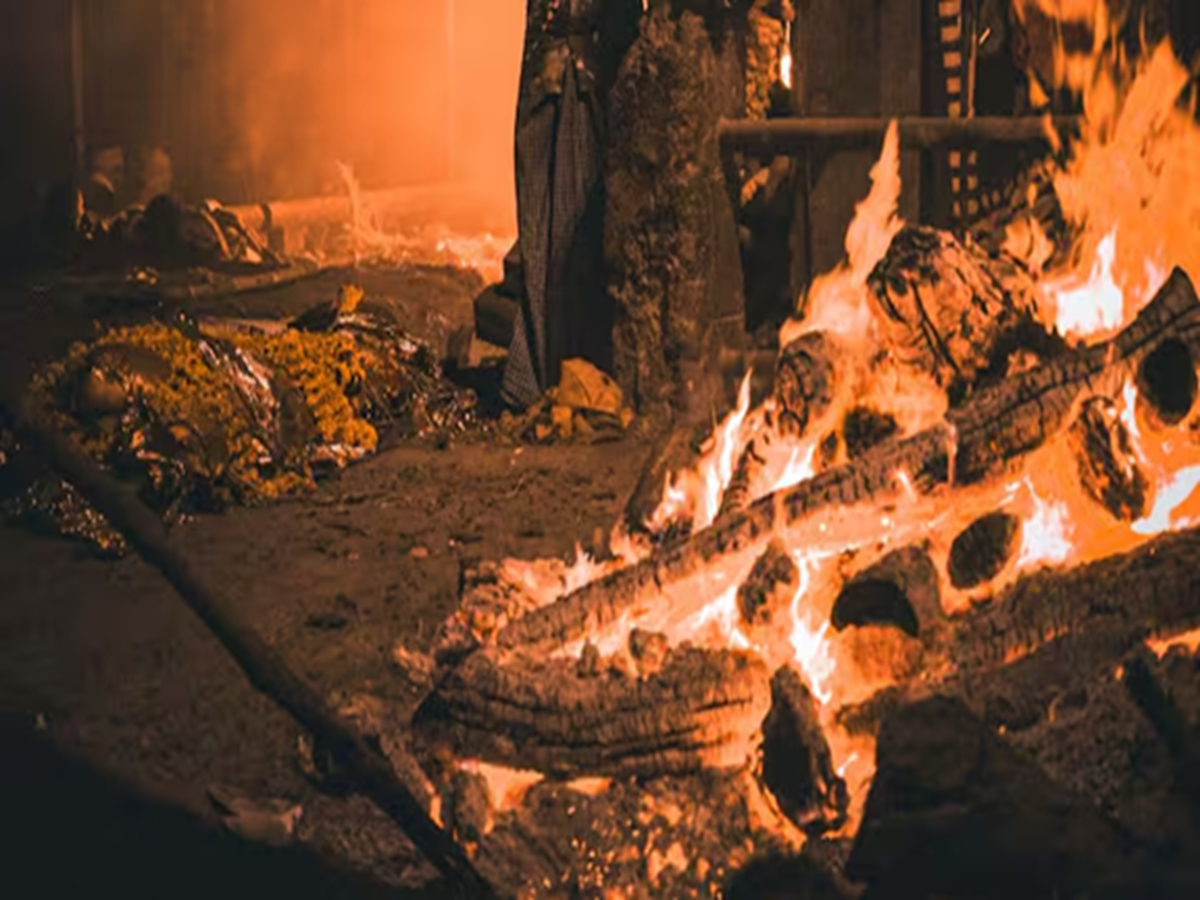
Many people often think that a postmortem is simply a CT scan or X-ray, but the truth is something else. A postmortem is meant to determine how the deceased died and how long ago they died. When someone dies due to an accident, fire, murder, or sudden illness, a postmortem is required by law. This determines whether the person died from burns, smoke suffocation, or whether the death occurred due to some other reason and the body was later cremated. A postmortem is performed to determine all these things.
1 /5
Many people often think that a postmortem is a CT scan or X-ray, but the truth is something else. A postmortem is meant to determine how the deceased died and how long ago they died. When someone dies due to an accident, fire, murder, or sudden illness, a postmortem is required by law. This determines whether the person died from burns, smoke suffocation, or whether the death occurred due to some other reason and the body was later cremated. A postmortem is performed to determine all these things.
2 /5
The discussion of postmortems on burned bodies is particularly significant because, in a typical autopsy, doctors can make a significant inference based on the body parts, injuries, and blood stains. However, when a deceased body is severely burned, the skin, muscles, and sometimes even bones are burned. Identifying the body and determining the cause of death become extremely difficult.
3 /5
When it comes to the postmortem process for burned bodies, forensic doctors first examine the body for soot in the respiratory tract and lungs. This indicates that the person was alive at the time of the fire and may have inhaled smoke. This is called antemortem evidence. If soot is not found in the respiratory tract, it may indicate that the person died before the fire.
4 /5
Additionally, doctors take a blood sample from the deceased and test it for carbon monoxide levels. High levels of this gas indicate that the person was breathing during the fire. This is why most fire deaths are caused not by burns, but by smoke and toxic gas inhalation.
5 /5
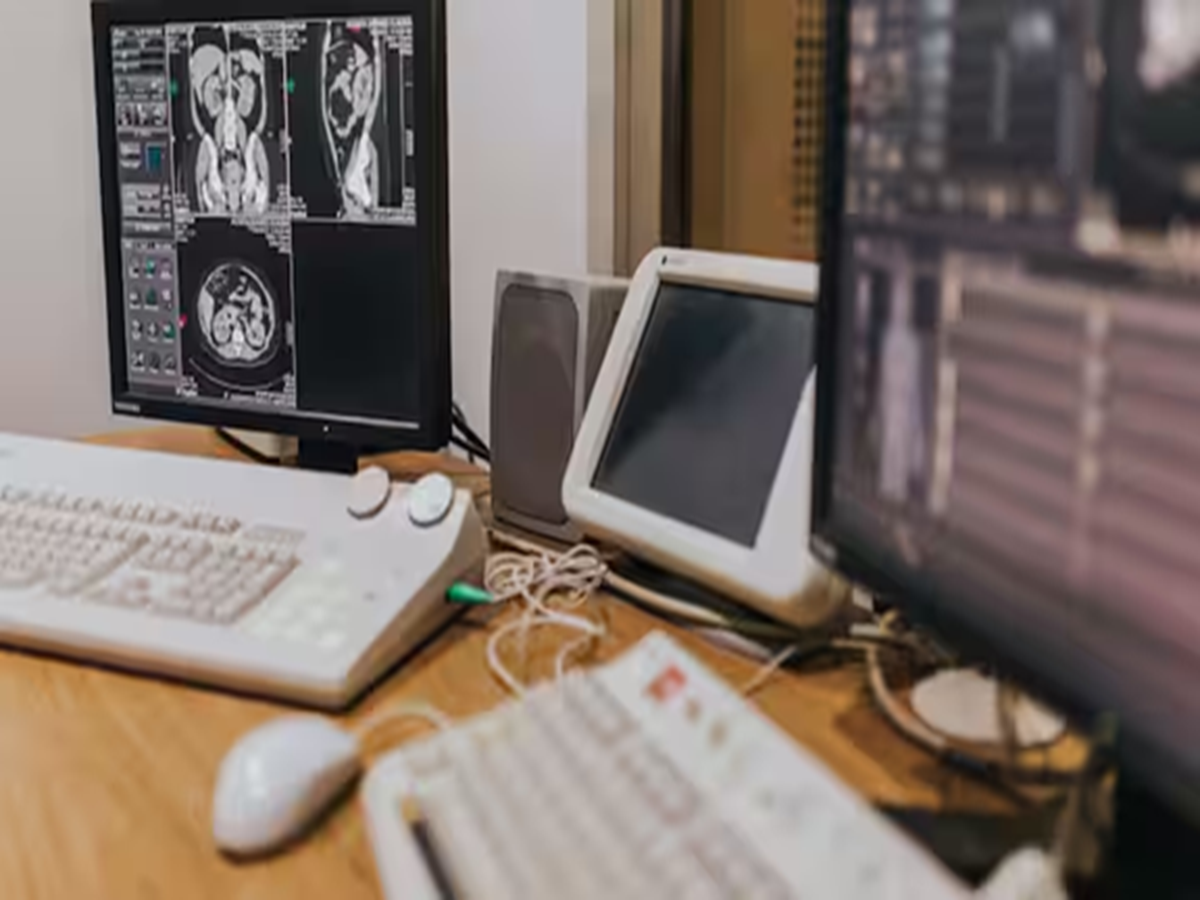
Nowadays, an X-ray or CT scan is also performed on the body before the post-mortem. This can detect internal injuries, broken bones, or anything else, such as a bullet, that is impossible to see from the outside.