
Both boondi raita and fruit raita, made with yogurt, enhance the flavor of your meal. But what's the difference between them in terms of fiber, calories, and nutrition? Find out which one is more beneficial.
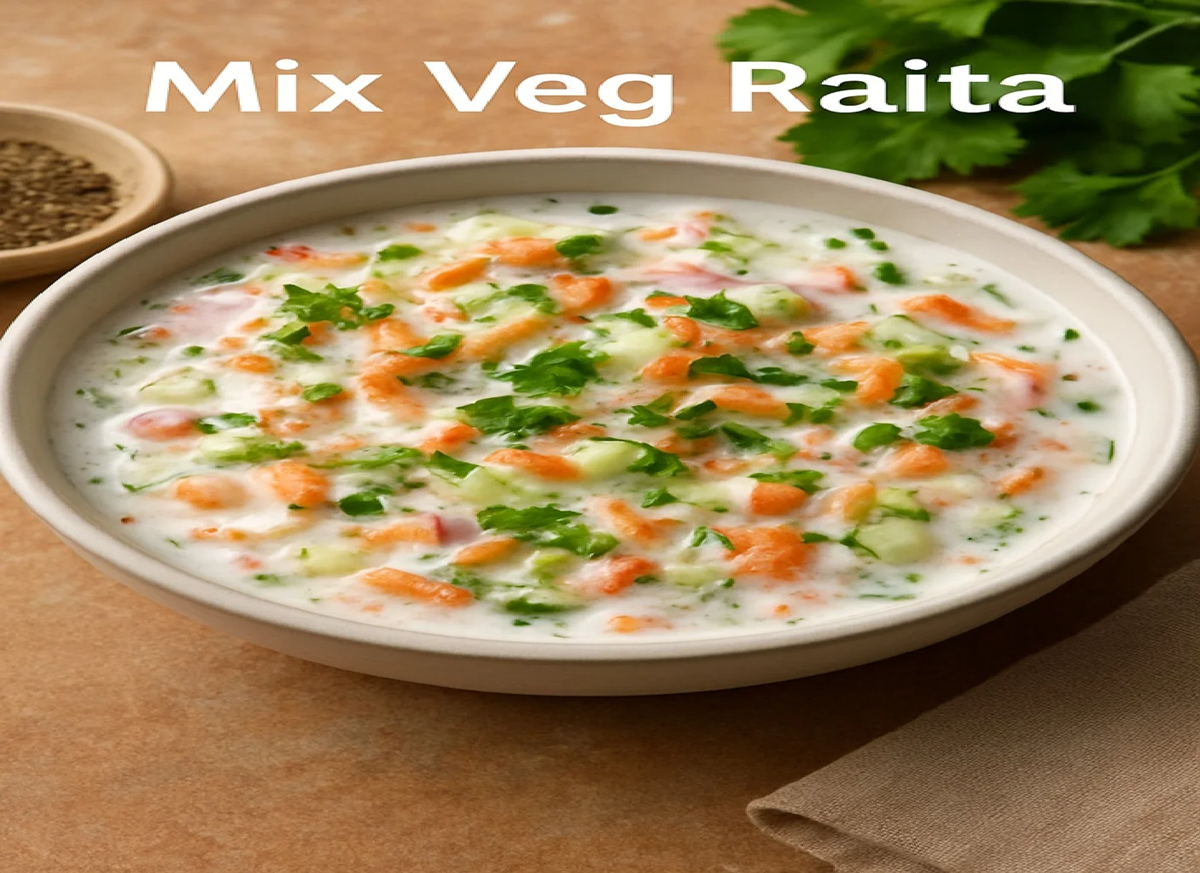
Healthy Raita
Serving raita with your meal enhances the flavor. In the summer, people especially enjoy yogurt-based dishes. Boondi raita and fruit raita are two such options, popular in homes. Boondi raita combines yogurt with gram flour-based boondi, while fruit raita uses apples, bananas, pomegranates, and other fruits. The yogurt content of both provides nutrients like protein and calcium. However, the fruit and fried boondi contribute to nutritional differences. Therefore, the question arises as to which raita is better for health.
What are the benefits of eating fruit raita?
Fruit raita consists of yogurt mixed with various fruits. Fruits like apples, bananas, and pomegranates provide the body with vitamins, minerals, and antioxidants. The fiber in fruits helps improve digestion and keeps you feeling full longer.
Yogurt provides protein and calcium, which are essential for muscle and bone health. Yogurt contains healthy bacteria that support digestive health. Using excess sugar or sweet syrup in fruit raita increases its calories. Therefore, it is best to use fresh fruit and unsweetened yogurt when making it.
How healthy is Boondi Raita?
To make boondi raita, boondi made from gram flour is mixed with yogurt. Gram flour provides some protein, while yogurt increases the calcium and protein content. Therefore, it would be unfair to call boondi raita completely unhealthy. However, most boondi available in the market is fried in oil, increasing its fat and calories. If you are trying to lose weight, eating a large amount of fried boondi increases your daily calorie intake. In such a situation, raita can be made by adding less boondi and using fresh yogurt.
Which raita should you choose for weight and health?
If you want more fiber and nutrients from fruit, sugar-free fruit raita is a good option. However, if you prefer boondi raita, it can also be consumed in moderation. The choice between the two depends on your needs, the serving size, and the preparation method.
Use low-fat plain yogurt when making raita. Avoid adding extra sugar to fruit raita, and limit the amount of boondi in boondi raita. If you have trouble with milk or yogurt, choose a suitable alternative. Both types of raita can be included in your diet along with a balanced diet, adequate water, and regular physical activity.