
LIFESTYLE
Blood in Stool or Frequent Constipation? Know When These Symptoms Could Signal Colorectal Cancer
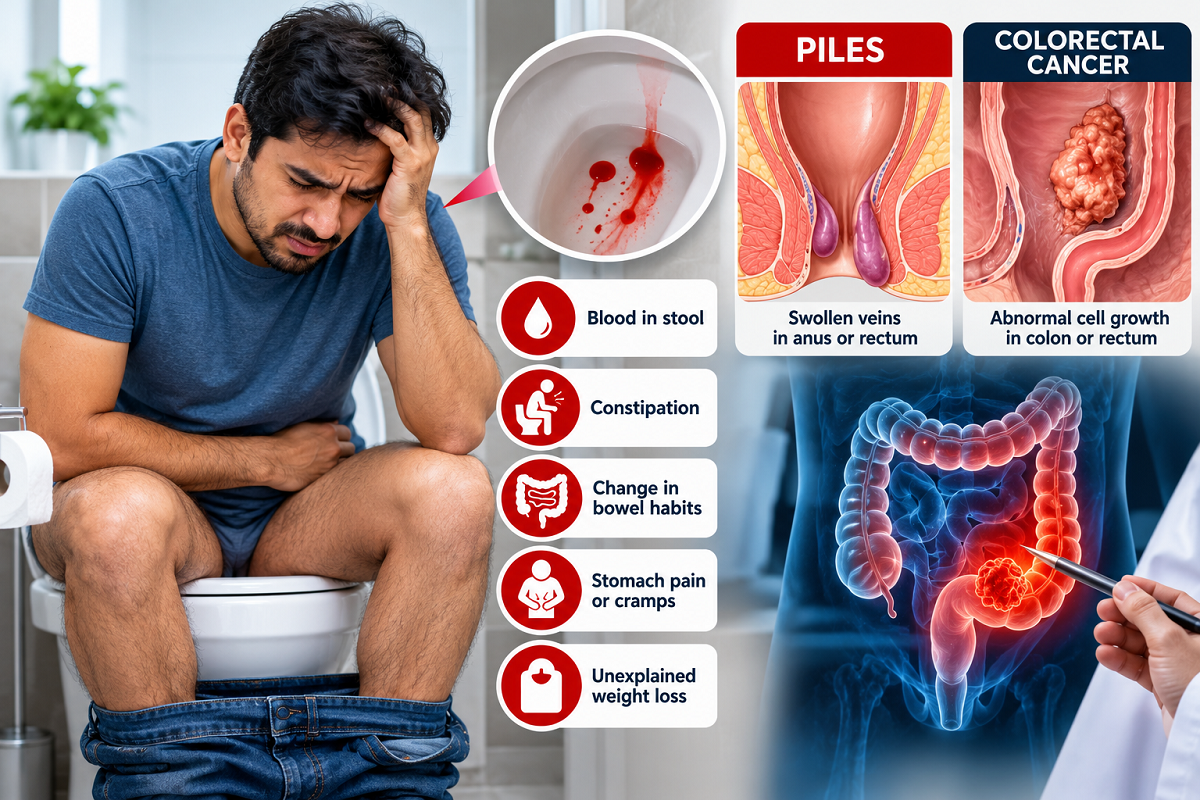
Health Awareness: Blood during bowel movements, persistent constipation and unexpected changes in toilet habits are often associated with common digestive problems, including piles or haemorrhoids. However, assuming that these symptoms are always harmless can sometimes delay the diagnosis of a more serious medical condition.
While haemorrhoids are common and usually treatable, certain symptoms can overlap with those of colorectal cancer, a disease affecting the large intestine or rectum.
Medical professionals recommend that unexplained rectal bleeding, persistent changes in bowel habits and other unusual digestive symptoms should be properly evaluated rather than automatically attributed to piles.
Understanding the differences between these conditions, recognising potential warning signs and seeking timely medical attention can help people make informed decisions about their health.
Why Rectal Bleeding Should Never Be Automatically Blamed on Piles
Haemorrhoids develop when blood vessels in or around the anus and lower rectum become swollen. They may cause itching, discomfort, bleeding or pain, particularly during bowel movements.
Although piles are generally not life-threatening, their symptoms can resemble those associated with other gastrointestinal conditions.
One important medical fact is that haemorrhoids do not develop into colorectal cancer.
However, having haemorrhoids does not mean a person cannot also develop colorectal cancer or another digestive disorder.
For example, someone experiencing repeated rectal bleeding may assume the problem is caused by piles and continue using over-the-counter remedies without undergoing a medical examination.
This can be risky because bleeding may also result from anal fissures, intestinal inflammation, polyps or colorectal cancer.
The colour and amount of blood may provide useful clues, but they cannot reliably identify the cause without appropriate medical assessment.
What Is Colorectal Cancer and How Does It Develop?
Colorectal cancer refers to cancer that develops in the colon, commonly called the large intestine, or in the rectum, which connects the colon to the anus.
The disease can begin when abnormal cells grow uncontrollably in the lining of these organs.
In many cases, colorectal cancer develops from small growths known as polyps.
Most colorectal polyps are not cancerous. However, certain types, particularly adenomatous polyps and some serrated lesions, may gradually develop into cancer.
This process can take several years, which is why appropriate screening can help identify potentially dangerous changes before cancer develops.
According to the World Health Organization (WHO), approximately 1.9 million new colorectal cancer cases were recorded worldwide in 2022, along with more than 900,000 deaths.
These figures highlight the global burden of the disease and the importance of prevention, screening and early diagnosis.
Common Symptoms of Piles That People Should Recognise
Haemorrhoids can develop internally, inside the rectum, or externally, around the anus.
Symptoms depend on their location and severity.
Common signs include:
- Bright red blood appearing on toilet paper, in the toilet bowl or on the surface of stool.
- Itching, irritation or discomfort around the anal opening.
- Swelling or a noticeable lump near the anus.
- Pain or tenderness, particularly when an external haemorrhoid develops a blood clot.
- Discomfort during or after bowel movements.
Internal haemorrhoids may bleed without causing significant pain, while external haemorrhoids can produce more noticeable discomfort.
Although these symptoms are commonly associated with piles, they are not sufficient to confirm a diagnosis.
Colorectal Cancer Warning Signs That Require Medical Attention
Colorectal cancer may not cause obvious symptoms during its early stages.
When symptoms develop, they can vary depending on the location and size of the tumour.
Some important warning signs include:
1. Blood in Stool or Repeated Rectal Bleeding
Blood may appear bright red, dark red or mixed with stool.
However, the absence of visible blood does not rule out colorectal cancer, because bleeding can sometimes occur in amounts too small to notice.
2. Persistent Changes in Bowel Habits
Unexplained constipation, frequent diarrhoea or a noticeable change in usual bowel patterns may require investigation, particularly when the problem persists.
3. Feeling That the Bowel Has Not Emptied Completely
Some individuals experience a repeated sensation of needing to pass stool even after using the toilet.
This symptom can occur in several medical conditions, including certain rectal disorders.
4. Ongoing Abdominal Pain or Cramping
Persistent stomach discomfort, bloating or unexplained abdominal cramps may sometimes be associated with colorectal disease.
5. Unexplained Weight Loss
Losing weight without making changes to diet or physical activity can be a warning sign of several underlying medical conditions, including cancer.
6. Unusual Tiredness or Iron-Deficiency Anaemia
Slow bleeding from the digestive tract can contribute to iron deficiency and anaemia.
People may experience weakness, fatigue, dizziness or breathlessness, even when blood is not visibly present in their stool.
Important: These symptoms do not automatically indicate colorectal cancer. Many non-cancerous conditions can produce similar problems, but persistent or unexplained symptoms deserve medical evaluation.
Piles vs Colorectal Cancer: Understanding the Differences
| Health Concern | Haemorrhoids (Piles) | Colorectal Cancer |
|---|---|---|
| Rectal bleeding | Often bright red | May be bright red, dark or hidden |
| Anal itching | Common | Not a typical defining symptom |
| Pain near the anus | Possible, especially with external piles | May occur, but is not always present |
| Changes in bowel habits | Not usually a defining feature | May cause persistent changes |
| Unexplained weight loss | Not typical | Possible warning sign |
| Anaemia | Can occur with repeated bleeding | Can result from chronic intestinal bleeding |
| Medical evaluation | Needed for uncertain or persistent symptoms | Essential for diagnosis |
Because symptoms overlap, this comparison cannot be used to diagnose either condition at home.
When Should You Consult a Doctor?
Anyone experiencing unexplained rectal bleeding should seek medical advice, even if they have previously been diagnosed with haemorrhoids.
Medical evaluation is particularly important when bleeding recurs or occurs alongside persistent constipation, diarrhoea, abdominal discomfort, unexplained weight loss or unusual fatigue.
A healthcare professional may recommend a physical examination, blood tests, stool-based testing or a colonoscopy, depending on the patient's symptoms, age, family history and other risk factors.
A colonoscopy allows doctors to examine the inner lining of the colon and rectum. It can also help identify polyps, suspicious growths and other abnormalities.
If a concerning area is detected, a tissue sample may be collected for laboratory examination.
Heavy or continuous rectal bleeding, fainting, severe abdominal pain or symptoms of significant blood loss require urgent medical attention.
Can Colorectal Cancer Be Prevented or Detected Early?
Not every case of colorectal cancer can be prevented, but screening and certain lifestyle measures can help reduce risk.
Maintaining a healthy weight, exercising regularly, avoiding tobacco, limiting alcohol consumption and eating a balanced diet containing fibre-rich foods may support long-term bowel health.
Reducing the consumption of processed meat and avoiding excessive intake of red meat may also help lower colorectal cancer risk.
Regular screening is particularly important because some precancerous polyps can be detected and removed before they develop into cancer.
Several international medical guidelines recommend beginning routine colorectal cancer screening at age 45 for adults at average risk. However, screening recommendations differ between countries, and people with a family history of colorectal cancer or certain medical conditions may require earlier assessment.
In India, individuals should discuss their personal risk and appropriate screening options with a qualified healthcare professional.
Importantly, people experiencing warning symptoms should seek diagnostic evaluation rather than waiting until they reach the usual screening age.
Final Thoughts
Rectal bleeding, persistent constipation and changes in bowel movements should not automatically be dismissed as piles.
Although haemorrhoids are a frequent cause of these complaints, colorectal cancer and several other digestive conditions can produce overlapping symptoms.
The key is not to panic, but to avoid making assumptions without medical evidence.
Recognising unusual changes, consulting a doctor when symptoms appear and following appropriate screening recommendations can support earlier diagnosis and better health outcomes.
Medical Disclaimer: This article is intended for general health awareness and does not provide a medical diagnosis. Consult a qualified healthcare professional for personalised advice, particularly if you experience rectal bleeding or persistent changes in bowel habits.