
NEWS
Assam Train Derailment: How many types of brakes are there in a train engine, and how can an accident like the one in Assam be averted?
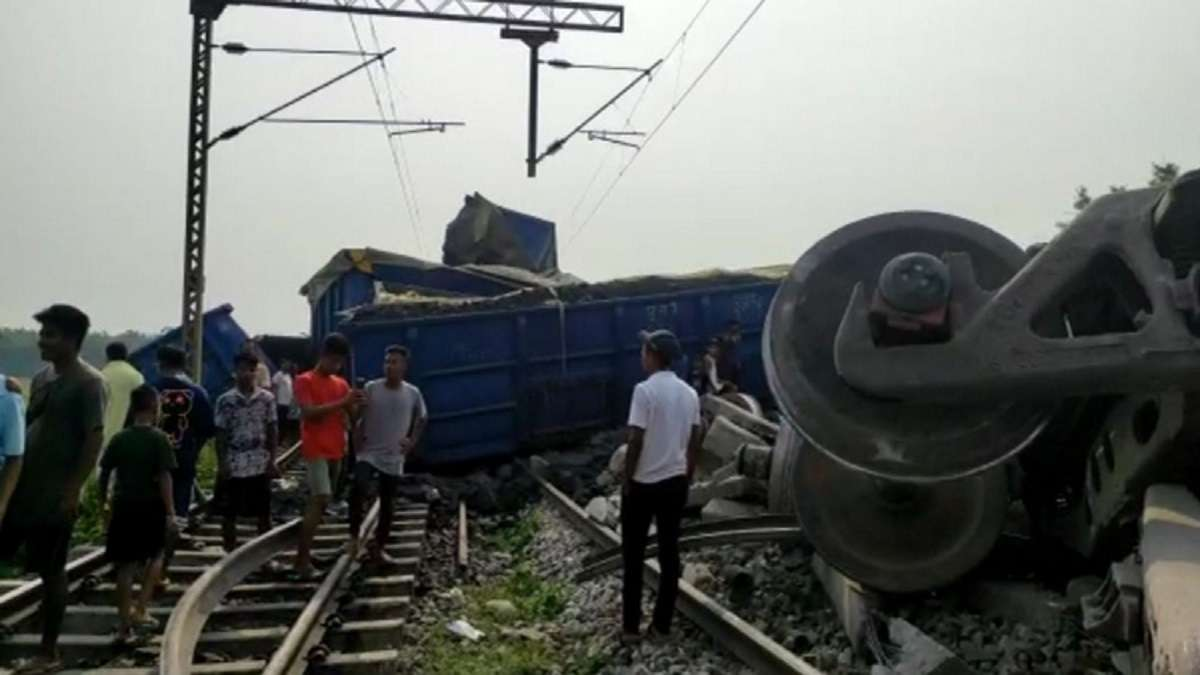
Assam Train Derailment: A major train accident recently occurred in Assam. Meanwhile, let's explore the different types of brakes on a train engine and how an accident like the one in Assam can be avoided.
Train derailment in Assam
Assam Train Derailment: The derailment of the Kolkata Sairang Express in Assam's Kamrup district has drawn attention to the railway's braking system. The train's engine and five coaches derailed near Digaru at around 6:54 a.m. on Wednesday.
Locals report that 50 passengers were injured, while the railway says all are safe. The incident has raised questions about how trains are stopped and what safety measures can be taken to prevent accidents when the brakes fail to perform as expected.
Five types of train brakes
Train engines use several types of braking systems for different situations. Automatic air brakes are the primary system for stopping the entire train. They operate using air pressure. When the air pressure in the brake pipes decreases, the wheels of both the engine and the coaches are braked.
Independent braking acts directly on the engine's wheels rather than on the entire train. Loco pilots use it during shunting in railway yards or to control a single engine. Dynamic and regenerative braking reduce speed in different ways. Instead of relying on friction, they use the engine's traction motor as a generator. In modern engines, the electricity generated by regenerative braking is fed back into the overhead equipment line.
The emergency brake is designed to stop the train in the shortest possible distance. When activated, it releases air pressure from the brake pipes, resulting in maximum braking force. The handbrake, or parking brake, is a mechanical brake used to hold a train in one place for extended periods of time in a station or yard.
These systems have different purposes. Automatic air brakes control the engine and coaches simultaneously, while independent brakes control only the engine. Dynamic braking helps reduce speed, and the parking brake keeps the train stationary.
Questions raised by the incident in Assam
Reports and footage from the Kolkata Sairang Express derailment indicate that the engine's braking system failed despite the signal being red and the loco pilot applying emergency brakes. The exact cause of the accident is not yet known, according to reports.
However, the situation that has emerged makes it clear how important proper functioning of brakes, automatic safety systems, and regular inspections can be.
Automatic Train Protection
Systems like armor provide an additional layer of protection. When the track infrastructure and locomotives are equipped with automatic train protection systems, they can detect hazards, such as danger signals or brake failures. The system can then automatically cut off power to the train. Such technology reduces the dependence on driver response alone.
Mandatory brake inspection
A pre-trip brake power check ensures that the braking equipment is functioning properly before the train leaves the station. Inspections should include air pressure pipes, triple valves, and emergency braking systems. Rigorous inspections and safety audits can help identify defects before the train enters service.
Track grip and backup measures
The locomotive's sanding system requires proper maintenance. When the train is wet or on heavy slippery ground, the wheels can jam or slip during braking. A working sanding system spreads sand on the track, improving traction and helping the wheels grip the rails.