
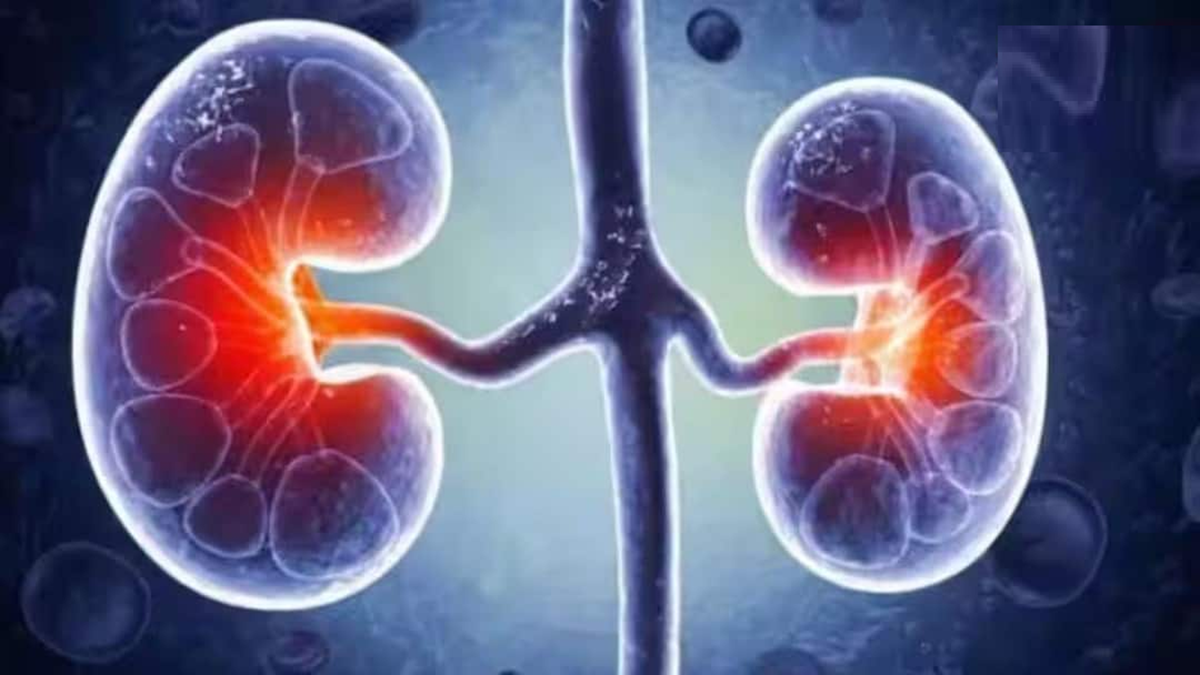
What Does Foamy Urine Mean? Kidney disease is on the rise, and the reason behind this is that we ignore most of its symptoms. Let us tell you about five of its symptoms.
Symptoms of kidney disease
Early Warning Signs of Kidney Disease: The kidneys are one of the most important organs in our body. They not only clean the blood but also regulate the pH balance, salt, potassium, and other essential minerals in the body.
According to experts, many diseases, unhealthy lifestyles, and genetic factors can affect kidney function. When the kidneys fail to function properly, they are unable to filter blood properly, a condition known as kidney disease.
If you have diabetes or high blood pressure, your risk of kidney disease increases. According to a report by Lifesaver Training UK, some symptoms of kidney damage may seem mild and unusual, but ignoring them can be dangerous.
Swelling on the face in the morning
If you wake up every morning and notice a slight swelling in your face, it's not normal. Especially if it's accompanied by swelling in your feet or ankles. According to doctors, this could be a sign that your kidneys aren't properly eliminating excess fluid from your body. This problem is usually linked to excessive protein loss through urine, which causes swelling.
Foamy or bubbly urine
Foam or small bubbles in your first morning urine could be a sign of a kidney problem. Experts say this occurs when excessive protein is excreted in the urine, a medical term for proteinuria. This indicates that the kidneys are failing to filter.
Extremely itchy and dry skin
When kidneys begin to fail, toxins accumulate in the body. This causes the sweat glands to shrink and the skin to become dry. This can be accompanied by intense itching that doesn't subside even after applying moisturizer. This condition is called uremic pruritus and is considered a serious kidney disease.
Brain fog and fatigue
As kidney function declines, impurities accumulate in the blood. This can lead to constant fatigue and difficulty concentrating. This can eventually lead to chronic kidney disease, which can also cause anemia.
If you experience persistent bad breath
and an ammonia-like odor in your breath, don't take it lightly. Experts explain that when your kidneys aren't functioning properly, toxins accumulate in your blood and are excreted through your breath, a condition known as uremic breath.
What is kidney disease?
The kidneys are fist-sized organs that produce hormones that regulate blood pressure, help produce red blood cells, and activate vitamin D. However, when these organs become damaged, kidney disease can develop due to diabetes, high blood pressure, and other chronic conditions. If not treated promptly, the kidneys can even fail completely, requiring dialysis.