NEWS
Airport Car Parking Charges Explained: Why Leaving Your Vehicle for a Few Hours Can Cost Hundreds
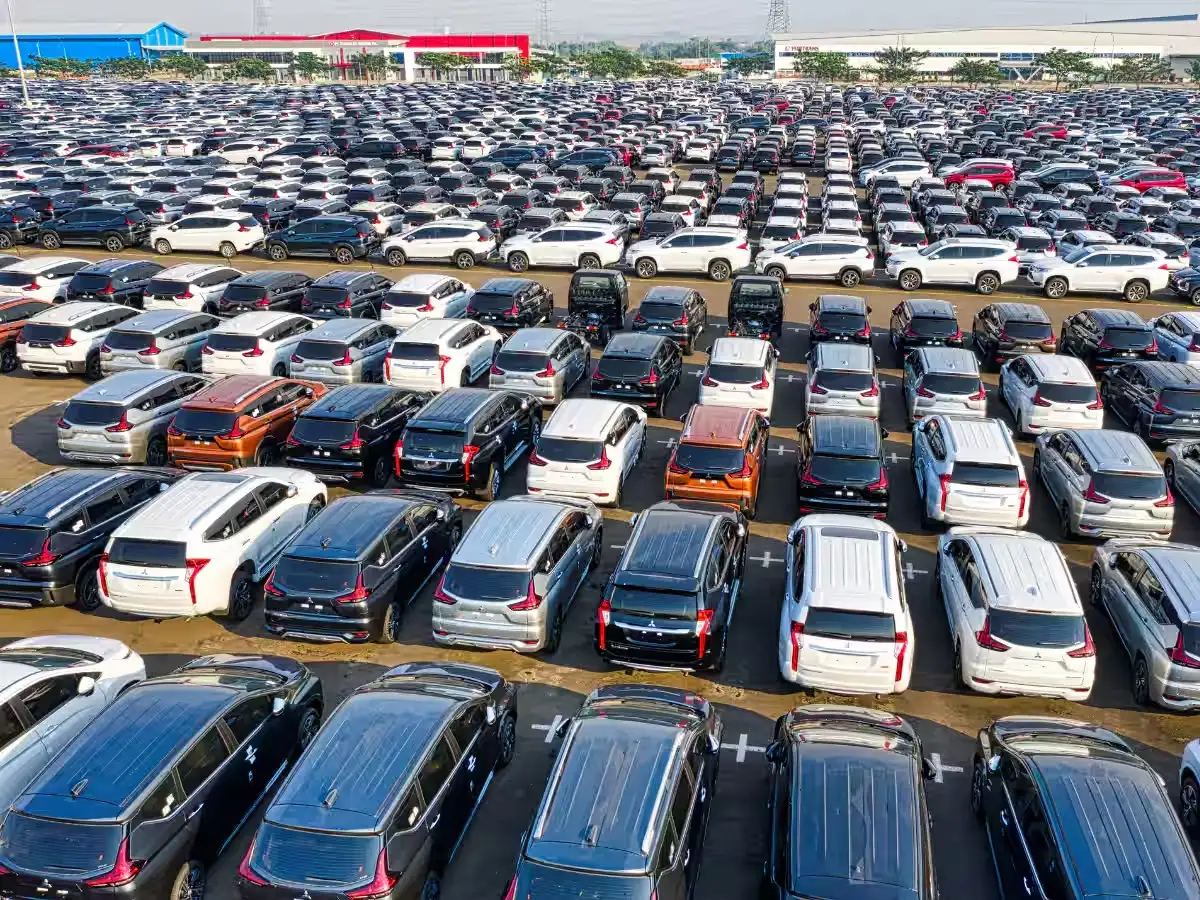
Driving to an airport to pick up or drop off a family member may seem convenient, but parking the vehicle for longer than expected can quickly add to the cost of the trip. At major airports such as Delhi and Mumbai, private-car parking charges are generally calculated according to the duration of the stay, while premium parking options may cost even more.
This means that a short delay in meeting an arriving passenger or spending several hours inside the terminal can result in a parking bill running into hundreds of rupees.
Airport parking is also different from parking at a neighbourhood market or shopping complex. Airports operate around the clock, have extensive security requirements and need dedicated infrastructure to manage thousands of vehicles and passengers.
Here is a closer look at the parking charges mentioned for Delhi and Mumbai airports and some of the reasons airport parking can be relatively expensive.
Delhi Airport Car Parking Charges
Parking charges at Delhi airport depend on the type of vehicle, parking facility and duration.
According to the rates cited in the report, private-car users may have to pay the following amounts:
| Parking Duration | Car Parking Charge |
|---|---|
| Up to 30 minutes | ₹160 |
| 30 minutes to 1 hour | ₹250 |
| 1 to 2 hours | ₹320 |
| 4 to 24 hours | ₹600 |
The amount can therefore increase considerably if a driver stays at the airport longer than originally planned.
Passengers and those picking them up should check the airport's latest official parking tariff before travelling because rates, parking zones and terms can be revised.
How Much Can Car Parking Cost at Mumbai Airport?
Parking at Mumbai's Chhatrapati Shivaji Maharaj International Airport can vary depending on the terminal and type of parking facility selected.
The rates cited in the report include:
Terminal 1
For a private car parked for between 30 minutes and one hour, the charge is stated as ₹230. Parking for a longer period of between four and 24 hours is listed at ₹600.
Terminal 2
At Terminal 2, the reported charge for 30 minutes to one hour is ₹250, while parking for four to 24 hours is listed at ₹600.
Those choosing premium parking may pay substantially more. The report lists premium parking for a four-to-24-hour period at ₹900.
These figures illustrate why it is useful to check the parking category and expected duration before leaving a vehicle at an airport.
Why Can Airport Parking Be Expensive?
Airport parking is more complicated to operate than an ordinary roadside parking facility.
Major airports have to manage large numbers of passengers, taxis, private cars, buses and commercial vehicles throughout the day and night. At the same time, traffic must continue moving around departure and arrival terminals.
Security requirements are also considerably greater.
Airport parking facilities may require surveillance cameras, controlled entry and exit systems, trained staff, lighting, fire-safety arrangements, traffic management systems and technology for issuing and processing parking tickets.
The cost of building and maintaining parking infrastructure near a terminal can also contribute to the amount motorists are charged.
What Does Your Parking Fee Help Pay For?
Several operational requirements can contribute to airport parking costs. These may include:
- Land and development of parking infrastructure
- CCTV cameras and security surveillance
- Entry and exit management systems
- Parking-management technology
- Lighting and electricity
- Cleaning and maintenance
- Parking and security personnel
- Round-the-clock operations
- Fire and emergency-safety infrastructure
- Internal traffic management
- Facilities providing convenient access to airport terminals
The exact cost structure will vary from one airport to another.
Why Don't All Airports Charge the Same Parking Fee?
There is no single nationwide parking tariff applicable to every Indian airport.
Parking facilities differ substantially depending on the airport's size, location, passenger traffic and available space. A large metropolitan airport handling huge passenger volumes may have very different infrastructure requirements from a smaller regional airport.
Land and construction costs can also vary significantly between cities.
Other factors that may influence parking charges include the capacity of the parking facility, operating expenses, security arrangements, technology, traffic-management requirements and the commercial terms under which the parking facility is managed.
This is why motorists should not assume that a charge applicable at Delhi or Mumbai airport will also apply at another airport.
Parking Can Be Part of an Airport's Non-Aeronautical Revenue
Airports generate revenue from more than airline and flight-related activities.
Services such as retail outlets, restaurants, advertising and car parking are generally associated with an airport's non-aeronautical business.
Where parking operations are handled by an outside operator, commercial arrangements can vary. Depending on the contract, an airport operator may receive a fixed licence fee, a minimum guaranteed payment, a share of revenue or a combination of different payment structures.
This commercial element is another reason airport parking should not be compared directly with ordinary municipal parking.
How Travellers Can Avoid an Unexpected Parking Bill
Anyone planning to pick up or drop off a passenger should first check which terminal the flight is using and whether the airport provides a separate pickup, drop-off or parking area.
If you expect to remain at the airport for several hours, compare the longer-duration parking tariff rather than relying only on the first-hour rate. Also check whether the airport offers different general and premium parking categories.
Most importantly, verify the latest tariff on the airport's official website before travelling. Parking charges and conditions can change, and the amount payable may depend on the terminal, vehicle category and total time spent inside the parking facility.
A little planning before leaving for the airport can help drivers choose the appropriate parking option and avoid an unexpectedly high bill.