
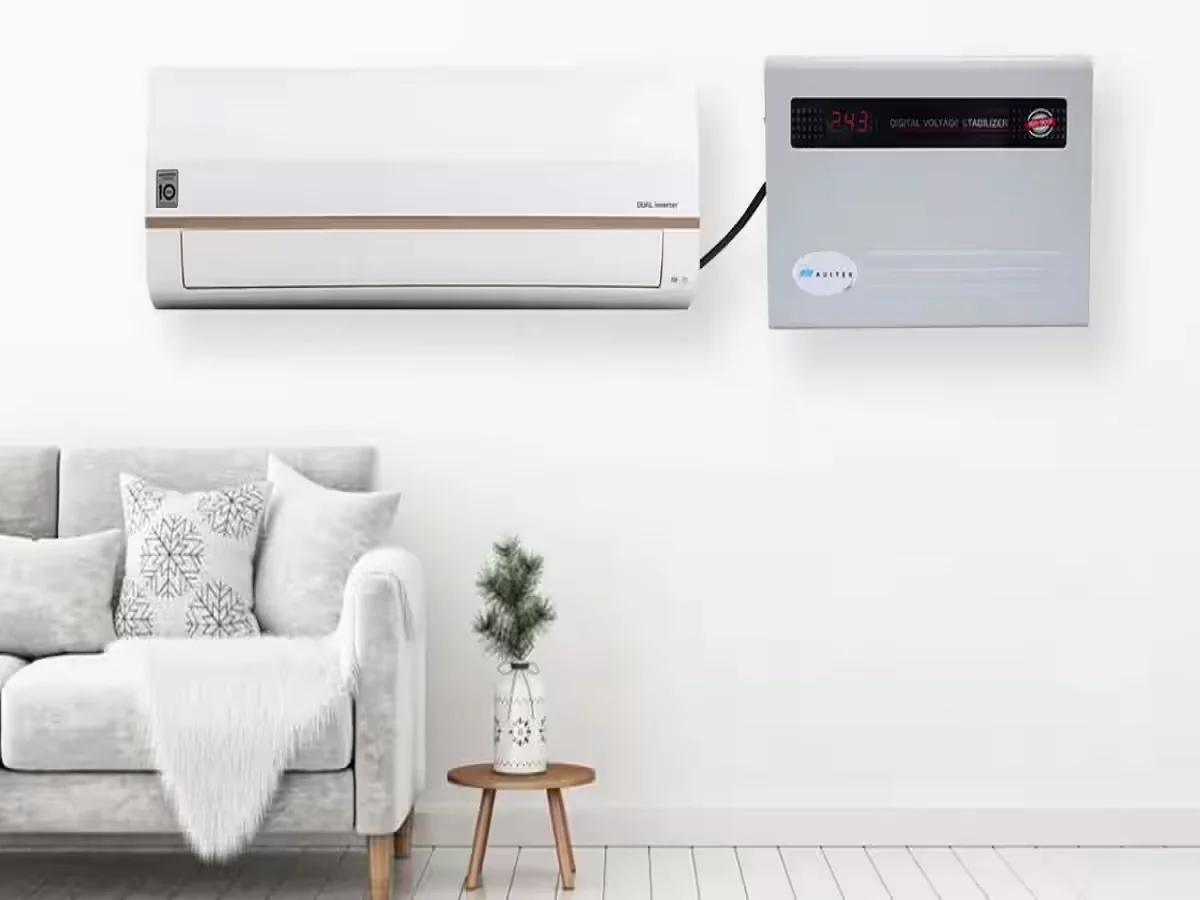
As temperatures continue to soar across India, especially in northern states where the mercury is crossing 45 degrees Celsius in many regions, air conditioners have become more of a necessity than a luxury. Whether at home or in offices, ACs provide instant relief from extreme heat and help maintain a comfortable indoor environment.
However, when purchasing a new air conditioner, many buyers face an important question: Is a separate voltage stabilizer still necessary, or can modern ACs operate safely without one?
The answer depends on several factors, including the type of AC you own, the quality of electricity supply in your area, and the protection features built into the appliance. Here is a detailed look at whether investing in a stabilizer makes sense for your situation.
What Is the Purpose of a Voltage Stabilizer?
A voltage stabilizer is designed to protect electrical appliances from sudden fluctuations in power supply. In many areas, voltage levels can unexpectedly rise or fall due to grid issues, weather conditions, or heavy electricity consumption.
Such fluctuations can damage sensitive components inside an air conditioner, particularly the compressor, circuit boards, and electronic control systems. Repairing or replacing these parts can be expensive, which is why stabilizers have traditionally been considered an essential accessory for AC units.
By regulating incoming voltage and maintaining a safe operating range, a stabilizer helps reduce the risk of electrical damage.
Modern Inverter ACs Come With Built-In Protection
Technology has evolved significantly in recent years. Most modern inverter air conditioners now include advanced voltage protection systems as a standard feature.
These built-in mechanisms are designed to handle a wide range of voltage fluctuations without requiring an external stabilizer. Many inverter AC models can operate efficiently within a voltage range of approximately 160V to 290V.
When voltage changes occur within this range, the AC automatically adjusts its operation and continues functioning normally. Because of this capability, many homeowners choose not to install an additional stabilizer.
Before making a decision, it is always advisable to check the product specifications provided by the manufacturer.
Older Air Conditioners May Still Need Extra Protection
While modern inverter models are equipped with advanced protection features, older air conditioners often lack this technology.
If you own a conventional or older-generation AC and live in an area where voltage fluctuations are common, using a stabilizer can be a wise investment. A quality stabilizer can typically manage voltage variations between 130V and 300V, offering an additional layer of protection against electrical problems.
This can help prevent unexpected breakdowns and extend the lifespan of the appliance.
Additional Cost of Installing a Stabilizer
Although stabilizers provide protection, they also add to the overall cost of owning an air conditioner.
Upfront Purchase Expense
A good-quality stabilizer generally costs between ₹3,000 and ₹6,000, depending on its capacity, brand, and features.
On the other hand, some premium AC models already include advanced voltage protection technology, which may increase the appliance's purchase price by several thousand rupees compared to basic models.
Consumers often need to decide whether they prefer paying more for a feature-rich AC or buying a separate stabilizer.
Slight Increase in Power Consumption
A stabilizer consumes electricity whenever the air conditioner is running. Although the power usage is relatively small—typically around 10 to 20 watts—it can slightly increase monthly electricity consumption over time.
For most households, the impact on electricity bills is minimal, but it is still worth considering when calculating overall operating costs.
How a Stabilizer Can Save Money in the Long Run
Voltage spikes and sudden drops can have a direct impact on the health of an air conditioner, particularly if no protection system is present.
A stabilizer acts as a protective shield between the power source and the appliance. It absorbs the effects of voltage fluctuations before they reach the AC's internal components.
By reducing the likelihood of damage, a stabilizer may help homeowners avoid costly repairs and improve the long-term reliability of their cooling system.
Should You Buy a Stabilizer for Your AC?
The decision ultimately depends on your AC model and local power conditions.
You May Not Need a Stabilizer If:
- You own a modern inverter AC with built-in voltage protection.
- Electricity supply in your area remains stable most of the time.
- The manufacturer clearly states that an external stabilizer is not required.
You Should Consider Buying One If:
- You use an older air conditioner without voltage protection features.
- Your locality frequently experiences voltage fluctuations or power-related issues.
- You want additional protection to reduce the risk of expensive repairs.
Final Verdict
There is no one-size-fits-all answer when it comes to AC stabilizers. Modern inverter air conditioners are designed to handle a wide range of voltage variations and often perform safely without external support. However, households dealing with unstable electricity supply or using older AC models can still benefit from the added protection a stabilizer provides.
Before making a purchase, review your AC's specifications, assess the reliability of your local power supply, and compare the cost of protection against the potential expense of future repairs. A well-informed decision can help keep your air conditioner running efficiently for years to come.