
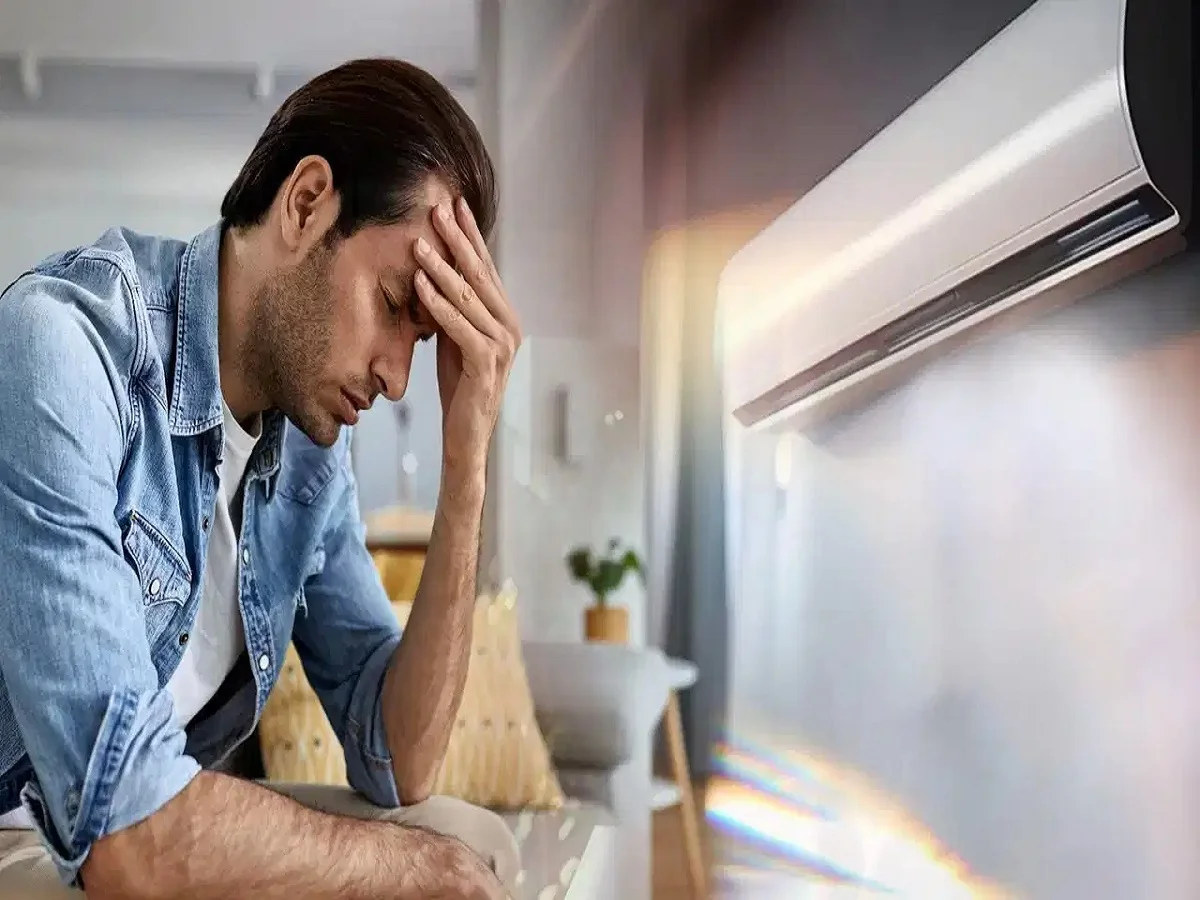
With temperatures rising sharply across North India, air conditioners have become essential for daily comfort. However, many users face a frustrating issue—even a new AC sometimes fails to cool effectively. While it may seem like a major defect, the problem is often caused by minor, fixable issues.
If your air conditioner isn’t delivering the expected cooling, here are the most common reasons and what you can do about them.
1. Clogged or Dirty Air Filters
One of the most frequent causes of poor cooling is a dirty air filter. Over time, dust and debris accumulate inside the filter, blocking airflow. When airflow is restricted, the AC struggles to circulate cool air efficiently throughout the room.
What happens:
- Reduced cooling performance
- Increased energy consumption
- Uneven airflow
Solution:
Clean or replace the air filter regularly—ideally every 2–4 weeks during heavy usage.
2. Faulty Thermostat Settings or Malfunction
The thermostat controls how your AC operates. If it is not working correctly or is set improperly, it may send incorrect signals to the system, resulting in inconsistent or no cooling.
Common signs:
- AC turns on and off frequently
- Temperature doesn’t match the setting
- Cooling is irregular
Solution:
Check the temperature settings first. If the issue persists, resetting or replacing the thermostat may resolve the problem.
3. Compressor Issues
The compressor is the heart of your air conditioning system. It is responsible for circulating refrigerant and enabling the cooling process. If the compressor fails or doesn’t function properly, the AC will not cool effectively.
Indicators of compressor problems:
- AC runs but doesn’t cool
- Strange noises from the outdoor unit
- Frequent shutdowns
Solution:
Compressor-related issues are complex and usually require professional repair or servicing.
4. Low Refrigerant Levels or Leakage
Refrigerant plays a crucial role in absorbing heat from your room. If the refrigerant level drops due to leakage or insufficient charging, the cooling capacity of your AC decreases significantly.
Warning signs:
- Weak cooling
- Ice formation on coils
- Hissing sounds (possible leak)
Solution:
This issue should only be handled by a certified technician. Never attempt to refill refrigerant yourself.
5. Improper Installation
Even a brand-new AC can underperform if it hasn’t been installed correctly. Poor placement of the indoor or outdoor unit can affect airflow and heat exchange efficiency.
Examples:
- Indoor unit placed near heat sources
- Outdoor unit exposed to direct sunlight without ventilation
Solution:
Ensure installation is done by trained professionals and follows manufacturer guidelines.
6. Overloaded Room or Poor Insulation
Sometimes, the problem isn’t the AC but the room itself. Large rooms, too many occupants, or poor insulation can reduce cooling efficiency.
Solution:
- Keep doors and windows closed
- Use curtains to block sunlight
- Choose the right AC capacity for your room size
Final Thoughts
Before assuming that your new AC is faulty, it’s worth checking these common issues. In most cases, simple maintenance or minor adjustments can restore optimal cooling performance.
Regular servicing, timely cleaning, and correct usage habits can significantly improve your AC’s efficiency and lifespan—helping you stay cool even during peak summer heat.