
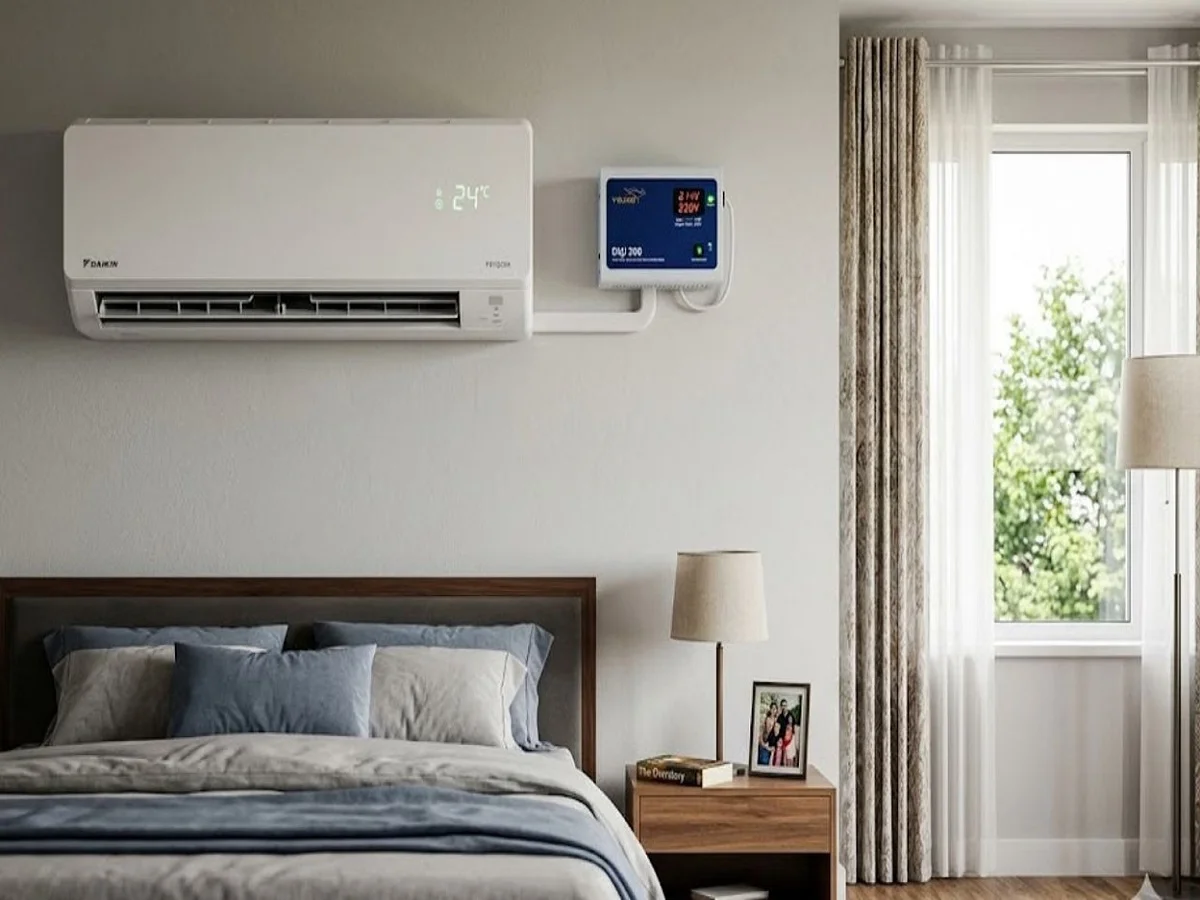
As temperatures remain high across much of India and humidity levels fluctuate between intense heat and seasonal rainfall, air conditioners have become an essential part of daily life. While ACs provide much-needed comfort, they are also one of the biggest contributors to household electricity bills during the summer and monsoon seasons.
Many users rely on standard cooling settings without realizing that most modern air conditioners include a smart feature designed to improve comfort while optimizing energy consumption. This feature, known as Auto Mode, can automatically adjust the AC's operation based on room conditions, helping maintain a comfortable indoor environment while potentially reducing power usage.
With electricity costs rising and weather patterns becoming increasingly unpredictable, understanding how Auto Mode works could help homeowners get better performance from their air conditioners.
What Is Auto Mode in an Air Conditioner?
Most modern split and window air conditioners come equipped with an Auto Mode setting that uses built-in sensors to monitor indoor conditions continuously.
Instead of operating at a fixed cooling level, Auto Mode automatically adjusts cooling intensity, fan speed, and operational settings based on the room's temperature and humidity.
When outdoor temperatures rise significantly, the AC increases cooling performance to maintain comfort. During humid or rainy weather, the system may adjust its operation to reduce excess moisture in the air without overcooling the room.
This intelligent adjustment process allows the air conditioner to respond to changing conditions without requiring constant manual intervention.
How Auto Mode Works
Auto Mode functions through a combination of sensors and internal control systems.
The air conditioner continuously tracks:
- Room temperature
- Humidity levels
- Cooling requirements
- Fan performance
Based on these readings, the AC automatically selects the most suitable operating pattern.
For example:
- During extremely hot afternoons, the unit may increase cooling output.
- During rainy weather, it may prioritize moisture reduction.
- When the desired comfort level is reached, it can lower compressor activity and fan speed.
As a result, users do not need to frequently switch between Cool Mode, Dry Mode, or different fan settings.
Benefit 1: Lower Electricity Consumption
One of the biggest advantages of Auto Mode is improved energy efficiency.
In standard Cool Mode, an air conditioner often works aggressively to maintain a fixed temperature, which can place continuous demand on the compressor. Since the compressor is one of the most power-intensive components of an AC, prolonged operation can significantly increase electricity consumption.
Auto Mode reduces unnecessary workload by adjusting performance once comfortable conditions are achieved. Instead of running at maximum capacity all the time, the system operates more intelligently, which may help lower overall power usage.
For households using air conditioners for extended periods, this can translate into noticeable savings on monthly electricity bills.
Benefit 2: More Comfortable Indoor Temperature
Many users experience excessive cooling when using traditional cooling settings.
A room may become colder than necessary, leading occupants to repeatedly adjust temperature settings throughout the day or night.
Auto Mode helps maintain a balanced indoor environment by continuously responding to changes in room conditions. Rather than focusing solely on cooling, it aims to keep the room comfortable and stable.
This can improve overall comfort while reducing the need for frequent remote-control adjustments.
Benefit 3: Better Performance During Monsoon Season
Humidity often becomes a bigger problem than heat during the rainy season.
Even when temperatures are moderate, excessive moisture in the air can make rooms feel uncomfortable, sticky, and stuffy. Traditional cooling settings may lower the temperature but do not always address humidity effectively.
Auto Mode can adapt to these conditions by reducing excess moisture while maintaining a pleasant indoor atmosphere. This creates a more comfortable living space without making the room excessively cold.
As a result, Auto Mode is often considered particularly useful during the June-to-September monsoon period.
Benefit 4: Reduced Wear and Tear on the AC
Frequent high-speed operation can place additional stress on an air conditioner's components, especially the compressor.
By regulating performance according to actual cooling needs, Auto Mode may help reduce unnecessary strain on the system. Lower mechanical stress can contribute to smoother operation and potentially support the long-term efficiency of the appliance.
While regular servicing remains essential, using smart operating modes can help improve overall system performance over time.
Best Practices for Maximum Savings
To get the most from Auto Mode, experts recommend:
- Keeping the temperature between 24°C and 26°C.
- Cleaning air filters regularly.
- Ensuring doors and windows remain closed while the AC is running.
- Scheduling routine maintenance.
- Using ceiling fans alongside the AC when appropriate.
These simple measures can further improve energy efficiency and indoor comfort.
A Smarter Way to Stay Comfortable
As weather conditions shift between intense summer heat and monsoon humidity, Auto Mode offers a convenient solution for maintaining comfort without constant manual adjustments. By automatically adapting to temperature and moisture levels, the feature can improve cooling performance, enhance comfort, and potentially reduce electricity consumption.
For households looking to balance comfort and energy savings, Auto Mode may be one of the most useful yet underutilized features available in modern air conditioners.